Solo camping is an incredible way to disconnect from the daily grind, soak in nature, and enjoy true freedom on the road. But let’s be real—traveling alone comes with its own set of challenges. Whether you're deep in the woods, parked at a remote campsite, or just exploring a new town in your RV,
situational awareness is your #1 defense against unexpected trouble.
No need for paranoia—just smart planning, a few safety habits, and some common sense can make all the difference. Here’s how you can stay alert, confident, and
enjoy the adventure safely while solo camping.
1. Trust Your Gut—It’s Smarter Than You Think
Ever pulled into a campsite and immediately had a bad feeling?
Trust that instinct. If something feels off—whether it's a sketchy neighbor, a too-secluded location, or just a general uneasiness—move on. Your intuition is often picking up on subtle cues your brain hasn’t fully processed yet.
🚨
Pro Tip: Keep a backup list of campgrounds and boondocking spots so you always have an alternative if a place doesn’t feel right.
2. Keep Your Campsite Low-Key
You might be proud of your setup, but flashing expensive gear, showing off your travel plans, or leaving valuables out is
an open invitation for trouble.
✅ Park with a
quick exit in mind (avoid being boxed in).
✅ Keep
expensive equipment inside when not in use.
✅ Avoid sharing
exact locations in real-time on social media.
🚨
Pro Tip: If someone asks if you're traveling alone, play it safe:
"Nope, my group is just out hiking!"
3. Master the Art of the Fake-Out
Making it
look like you’re not alone can be a powerful deterrent.
- Set out two chairs at your campsite.
- Leave a pair of large boots by your RV door.
- Play a recording of a conversation if you're feeling uneasy.
🚨
Pro Tip: When you leave your RV for a bit, leave the
radio or TV on to make it seem occupied.
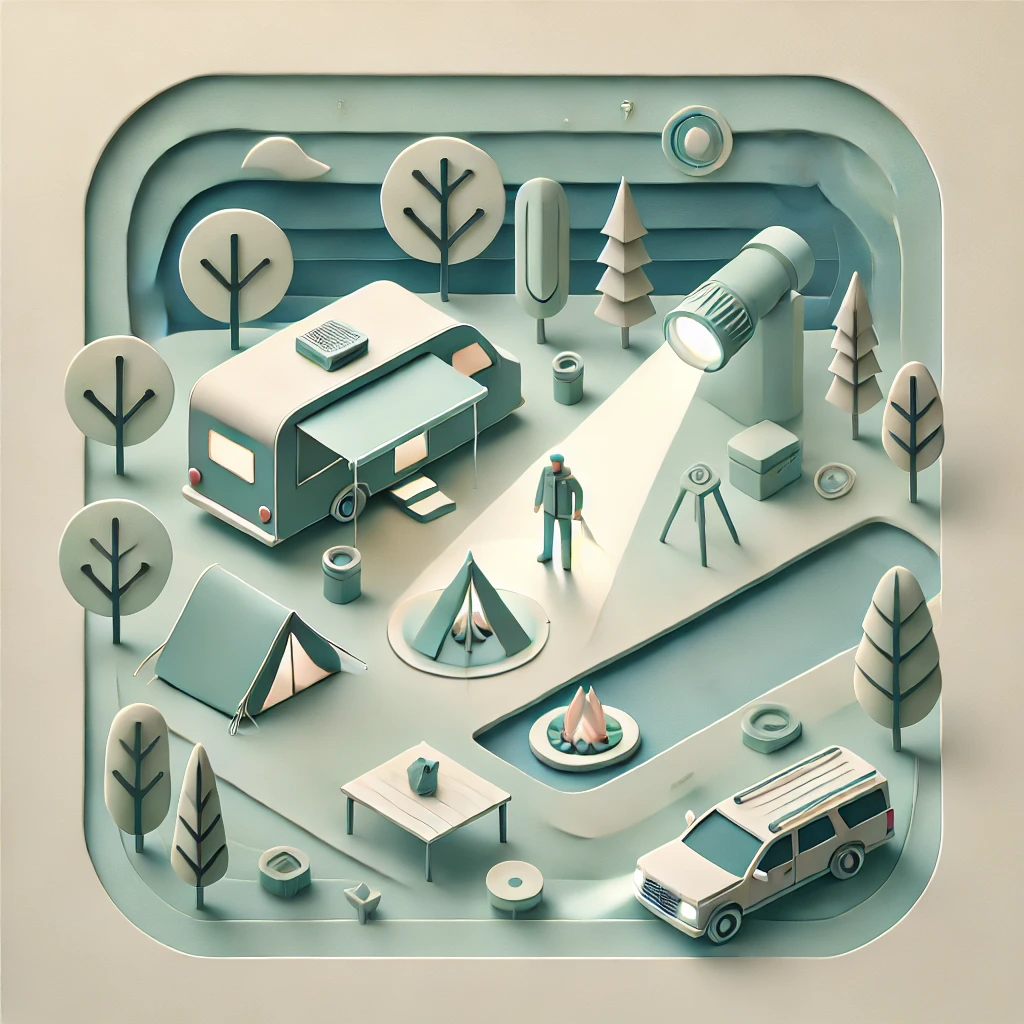
4. Light Up the Night (But Not Too Much)
Darkness can be a solo camper’s biggest vulnerability. Lighting your campsite properly can
deter unwanted visitors—but too much light can also attract attention.
✅
Motion-activated lights: Great for scaring off intruders (both human and animal).
✅
Headlamp & flashlight: Essential for quick movement at night.
✅
Red light setting: Helps preserve night vision without making you too visible.
🚨
Pro Tip: Keep a
tactical flashlight with a strobe function near your bed—it’s blinding to an intruder and buys you time to react.
5. Know Your Neighbors (Without Oversharing)
A friendly wave and a quick chat with fellow campers can help you
assess the vibe of the area. A good neighbor is also an extra set of eyes in case something seems off.
✅ Introduce yourself casually—but
avoid giving too much personal info.
✅ Observe
who’s camping nearby—families, solo travelers, or long-term residents?
✅ If someone is acting suspicious,
trust that instinct and adjust your plans.
🚨
Pro Tip: If you feel unsafe,
relocate before dark rather than waiting until it’s too late.
6. Have an Exit Plan—Always
Whether in an RV or a tent,
you should always have a way out.
- Park for a quick exit: Back into your spot so you can pull out fast if needed.
- Keep keys and shoes by the door: No fumbling in the dark if you need to leave fast.
- Pre-plan your route: Know where the nearest main road, gas station, or populated area is.
🚨
Pro Tip: Keep
bear spray or a personal alarm by your bed for emergencies.
7. Use Tech to Your Advantage
Even off-grid, a little tech can
boost your safety.
📍
Offline Maps: Download Google Maps or use an app like
Gaia GPS for navigation.
🆘
Emergency Contacts: Have a friend or family member check in on you at regular intervals.
📡
Personal Locator Beacon (PLB): If you’re in a remote area, a
Garmin inReach or
SPOT device can send an emergency signal.
📷
Security Camera: A
trail cam or motion sensor camera outside your RV can alert you to movement.
🚨
Pro Tip: Share your
travel itinerary with a trusted person before heading out.
8. Stay Armed with Knowledge, Not Just Weapons
Carrying a
personal safety tool—whether it’s
bear spray, a taser, or a firearm (where legal)—can provide peace of mind. But knowledge and awareness are your
first line of defense.
✅ Learn basic
self-defense moves for close encounters.
✅ Know the
local laws for carrying self-defense tools in each state.
✅ Keep
safety apps (like Noonlight or bSafe) handy.
🚨
Pro Tip: Practice
de-escalation skills—not every situation requires force, but every situation requires smarts.
9. Blend In, Don’t Stand Out
Looking like a lost tourist or an easy target makes you
more vulnerable.
✅ Dress
casually & comfortably—avoid flashy clothes that scream “I’m new here.”
✅ Be aware of your
body language—walk confidently and purposefully.
✅ Don’t wear
expensive jewelry or carry
wads of cash.
🚨
Pro Tip: Learn a few
basic phrases in the local language if traveling internationally—it helps you blend in.
10. When in Doubt, Leave
Your safety is worth more than a campsite. If something feels off,
don’t hesitate to pack up and move on.
- Trust your instincts—they’re there for a reason.
- Have an alternative destination in mind before nightfall.
- Remember: No campsite is worth risking your safety over.
🚨
Pro Tip: Always have
enough gas to reach another location if needed.
Final Thoughts: Confidence, Not Fear
Solo camping is one of the most rewarding experiences out there. The key to staying safe?
Awareness, preparation, and confidence.
🌲
Be mindful, not fearful.
🚐
Stay prepared, not paranoid.
🔥
Enjoy the journey, but trust your gut.
With the right mindset and a few safety habits, you’ll be able to
camp solo with confidence—ready for whatever adventure (or lesson) the road brings!
Happy camping and stay safe! 🚐✨