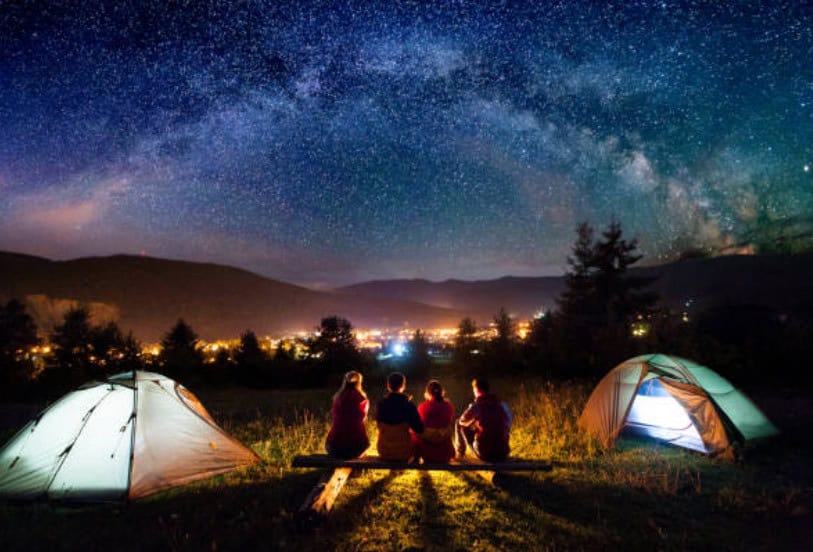
Campfires are a cherished part of outdoor adventures, perfect for roasting marshmallows, sharing stories, and keeping warm under the stars. However, they can also have a significant environmental impact if not done responsibly. By adopting eco-friendly practices, you can enjoy your campfire while protecting the natural world. Here’s how to build and manage a campfire sustainably.
1. Use Local Firewood or Alternatives
Transporting firewood from home or other locations may seem convenient, but it can spread invasive pests and diseases that harm forests.
- Buy Local: Always purchase firewood near your camping site. Many campgrounds sell bundles of wood that are safe to use.
- Gather Responsibly: If collecting wood is allowed, stick to small, dead, and fallen branches. Avoid cutting live trees or breaking off branches.
- Consider Alternatives: For a more sustainable option, use manufactured fire logs or portable propane fire pits. These produce less smoke and burn more cleanly.
Pro Tip: Check for firewood rules and restrictions at your campground or park before your trip.
2. Choose a Designated Fire Ring or Pit
Uncontained fires can damage the ground, harm plant life, and pose a wildfire risk.
- Use Fire Rings: Stick to existing fire rings or pits whenever possible. They are designed to contain flames and protect the surrounding area.
- Build Smart: If fire rings aren’t available, create a temporary fire pit on a durable surface like gravel or sand. Avoid building fires on grass or soft soil.
- Keep It Small: A smaller fire is easier to control and requires less fuel, reducing its overall impact.
3. Follow Leave No Trace Principles
Leave No Trace (LNT) is a set of guidelines that helps campers minimize their environmental footprint. For campfires, this means:
- Burn Completely: Let your fire burn down to white ash, which is easier to clean up and less likely to leave a mark.
- Scatter Cool Ashes: Once your fire is out and the ashes are cool, scatter them over a wide area away from water sources.
- Pack It In, Pack It Out: Bring a small shovel to remove unburned debris or trash from the fire pit. Always take your waste with you.
Pro Tip: Use a portable fire pan for a truly low-impact fire that leaves no trace behind.
4. Be Smoke-Conscious
Campfire smoke isn’t just annoying; it can also affect air quality and harm wildlife.
- Use Dry Wood: Dry, seasoned wood burns cleaner than green or wet wood, producing less smoke.
- Avoid Trash and Plastics: Burning trash, plastics, or treated wood releases toxic chemicals that pollute the air and soil.
- Add Wood Gradually: Don’t overload the fire with wood all at once; add small pieces gradually to maintain steady, clean flames.
5. Respect Fire Restrictions
During dry seasons, fire bans are common to prevent wildfires. Always check the rules before lighting a fire.
- Abide by Bans: If fires are prohibited, use a camp stove or propane fire pit instead.
- Know the Conditions: Avoid building fires on windy days or in areas with dry grass, which can quickly catch fire.
- Be Prepared: Carry a bucket of water or a fire extinguisher to handle emergencies.
6. Educate Fellow Campers
Sharing what you’ve learned about eco-friendly campfires can inspire others to adopt sustainable practices, too.
- Lead by Example: Show your friends and family how to build and extinguish fires responsibly.
- Talk About LNT: Introduce fellow campers to Leave No Trace principles and their benefits.
- Spread Awareness: Share your tips online or in camping groups to encourage a broader community of responsible campers.
Final Thoughts
Eco-friendly campfires are about more than enjoying the warmth of the flames—they’re about ensuring the beauty of nature remains for future generations. By using local firewood, sticking to designated fire rings, and following Leave No Trace principles, you can minimize your environmental impact and help protect the wilderness.
So the next time you gather around a campfire, do it responsibly, and enjoy the magic of the moment while keeping nature safe.
Happy camping! 🌲🔥✨