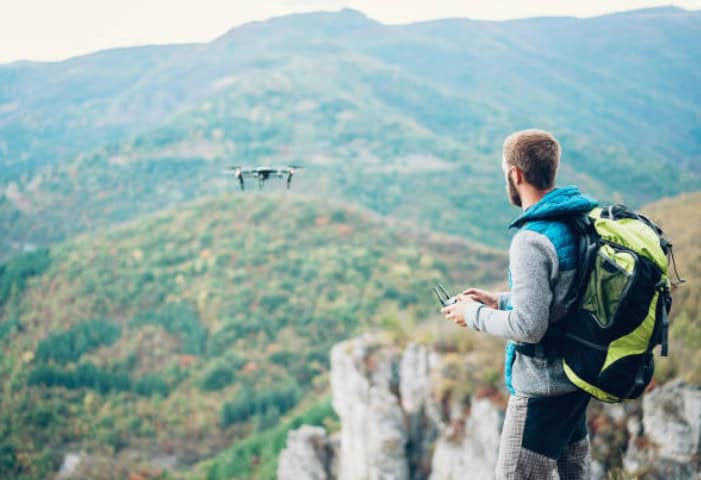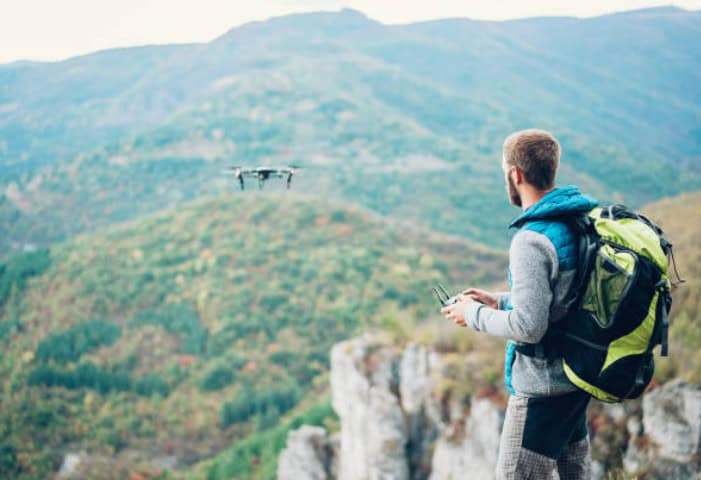
Camping with a drone can take your outdoor adventures to the next level. Whether you want to capture breathtaking aerial footage of your campsite, scout for the perfect hiking route, or simply have fun flying, a drone can be a game-changer. But with so many options on the market, choosing the right drone for camping can be overwhelming—especially for beginners.
This guide will walk you through
how to choose the best drone for your camping adventures, what features to look for, and some essential tips for flying responsibly in the great outdoors.
1. Why Bring a Drone Camping?
Before diving into the details of drone shopping, let’s explore why a drone can be a valuable tool for campers:
- Capture Stunning Aerial Photos & Videos – Get a bird’s-eye view of your campsite, trails, and surrounding landscapes.
- Scout the Area – Find the best spot to set up camp, locate trails, and check for nearby water sources.
- Enjoy a New Perspective – Experience the thrill of seeing nature from above.
- Navigation & Safety – Some advanced drones can help navigate rough terrain and even assist in emergencies.
- Just for Fun! – Flying a drone is an exciting hobby, and camping gives you the perfect open space to practice.
2. What to Look for in a Camping Drone
Not all drones are suited for outdoor and rugged camping environments. Here are the key features to look for when choosing a drone for camping:
✔ Portability & Foldable Design
Camping means
limited space in your backpack or RV. Choose a drone that is compact and foldable for easy storage.
✔ Camera Quality
If your goal is to capture
stunning nature shots, look for a drone with a high-resolution camera.
✔ Battery Life
The longer your drone can fly, the more time you have to explore and capture footage.
Most drones fly for 20-40 minutes per battery charge. If you're deep in the wilderness, carrying extra batteries is a must.
📌
Ideal battery life for camping drones: 25-40 minutes per charge
✔ Obstacle Avoidance
Camping spots often have
trees, rocks, and unpredictable terrain. An obstacle avoidance system helps prevent crashes, especially for beginners.
✔ Wind Resistance & Stability
Outdoor environments are unpredictable. Choose a drone with
good wind resistance and a
gimbal stabilization system for smooth, stable footage.
📌
Wind resistance rating: Look for
Level 5 or higher (handles winds up to 22 mph)
✔ GPS & Return-to-Home (RTH) Feature
GPS makes navigation easier, while
Return-to-Home (RTH) ensures your drone safely flies back if it loses signal or runs low on battery.
✔ Night & Low-Light Performance
If you plan to
capture sunset or stargazing footage, choose a drone with
good low-light capabilities. Some drones come with
night mode and larger sensors for clear nighttime shots.
3. Best Drones for Camping Based on Budget
Let’s break it down by
budget range, so you can find the perfect drone for your needs.
🏕️ Budget Drones ($150-$500) – Great for Beginners
✔ Compact & lightweight
✔ Good for casual fun & basic photos
✔ Shorter battery life (15-25 mins)
🎥 Mid-Range Drones ($500-$1,200) – Best for Campers Who Want Stunning Shots
✔ 4K camera
✔ Foldable & portable
✔ Longer battery life (25-35 mins)
🎬 High-End Drones ($1,200+) – For Professional-Quality Filmmaking
✔ 5K+ video & ultra-stable gimbal
✔ Long flight times (30-40 mins)
✔ Best obstacle avoidance & AI tracking
4. Drone Accessories to Bring When Camping
To get the most out of your drone, bring these
essential accessories:
✔
Extra Batteries – Extend your flight time without needing to recharge.
✔
Portable Charger or Solar Panel – Keep your batteries charged off-grid.
✔
Propeller Guards – Protect your drone from tree branches and accidents.
✔
Carrying Case – A waterproof or shockproof case keeps your drone safe.
✔
ND Filters – Reduce glare and improve photo quality in bright conditions.
5. Flying a Drone While Camping: Rules & Etiquette
Drones are fun, but
responsible flying is key when camping. Follow these important guidelines:
✅ Check Local Drone Laws
Not all campgrounds allow drones.
National Parks in the U.S. ban drones, but some state parks and national forests allow them.
✅ Respect Wildlife & Other Campers
🚫
Don’t fly near animals – Drones can stress wildlife.
🤫
Avoid buzzing over campsites – Not everyone enjoys drone noise.
⚠
Follow altitude limits – Most areas restrict drones to
400 feet or lower.
✅ Be Mindful of Weather
☁
Avoid flying in strong winds – Drones struggle in gusty conditions.
🌧
Rain = No Fly Zone – Most consumer drones are
not waterproof.
🌙
Low-light flying? – Use a drone with night-friendly features.
Final Thoughts
Camping with a drone adds a
whole new perspective to your outdoor adventures. Whether you want to capture stunning landscapes, scout the area, or just have fun flying, choosing the right drone makes all the difference.
By considering
portability, battery life, camera quality, and safety features, you can find a drone that perfectly suits your camping style. Just remember to
fly responsibly, respect nature, and have fun! 🚀📸🏕️