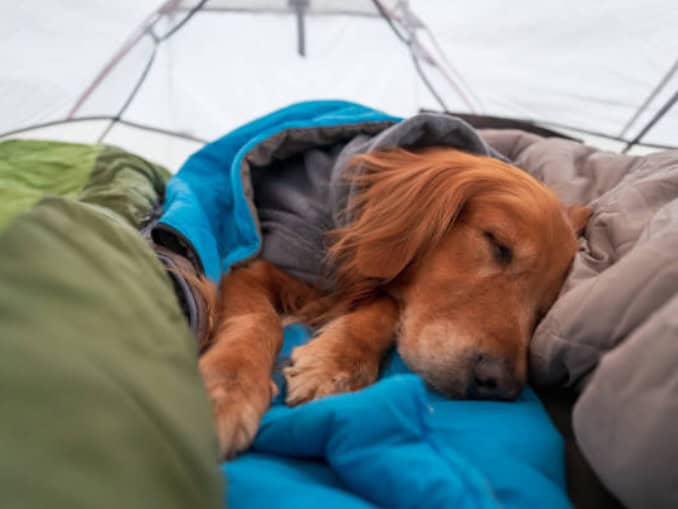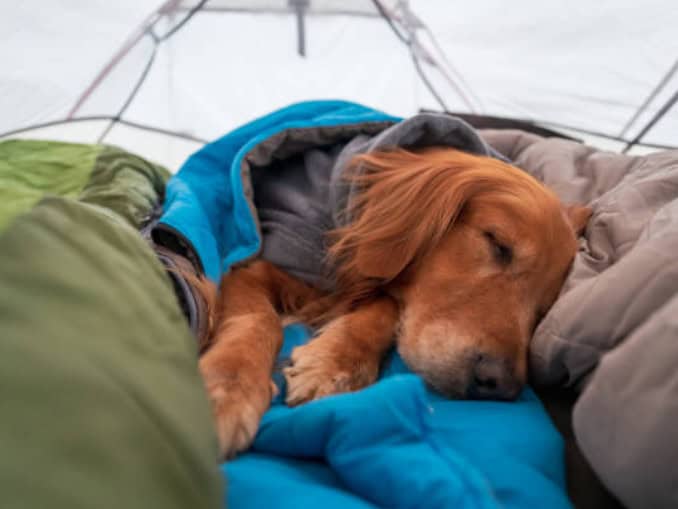
Camping is an amazing way to reconnect with nature, but for light sleepers, getting a good night’s rest in the great outdoors can be a challenge. Unfamiliar sounds, temperature swings, and an uncomfortable sleeping setup can make sleeping under the stars feel more like an endurance test than a relaxing getaway.
If you struggle to sleep while camping, don’t worry—you’re not alone! With the right
gear, preparation, and tricks, you can wake up feeling rested and ready for adventure. Here’s how to sleep better while camping, even if you’re a light sleeper.
1. Choose the Right Campsite
Where you pitch your tent
matters more than you think when it comes to sleep quality.
✔
Avoid High-Traffic Areas – Stay away from busy trails, restrooms, and communal areas to reduce noise.
✔
Look for Flat Ground – A sloped campsite can cause you to slide around all night.
✔
Stay Away from Water Sources – Streams and lakes attract
noisy wildlife and mosquitoes.
✔
Check for Wind Exposure – Wind flapping against your tent can keep you up all night.
Pro Tip: If you’re in a crowded campground, pitch your tent
next to natural sound barriers like large rocks or trees to help block noise.
2. Invest in a Comfortable Sleeping Setup
Sleeping on hard, uneven ground is
one of the biggest reasons people struggle to sleep while camping. The right
sleeping gear can make a huge difference.
✔
Sleeping Pad or Air Mattress – A thick, insulated sleeping pad (like a
Therm-a-Rest or
Nemo Tensor) adds comfort and warmth.
✔
Camping Pillow – Skip the bundled-up hoodie and bring an actual
inflatable or compressible pillow.
✔
Sleeping Bag for the Right Temperature – Check the
temperature rating before you go—too hot or too cold will disrupt your sleep.
Pro Tip: If you toss and turn at night, try a
double-wide sleeping pad or a camping cot for extra space.
3. Block Out Noise and Light
Camping exposes you to
new sounds and light sources, which can keep light sleepers awake.
✔
Earplugs – A cheap but effective solution for
blocking out snoring campers, rustling animals, and distant car noises.
✔
White Noise App or Machine – A small
battery-powered white noise machine or a white noise app on your phone can mask disruptive sounds.
✔
Sleep Mask – The sun rises
early in the summer, and a good sleep mask helps keep things dark.
Pro Tip: If campfire chatter is keeping you up,
soft foam earplugs will help muffle voices while still allowing you to hear important sounds.
4. Regulate Your Body Temperature
One of the
biggest sleep disruptors while camping is
temperature swings. It might be hot when you go to bed, then freezing cold by morning.
✔
Layer Your Clothing – Wear
moisture-wicking base layers to stay warm without sweating.
✔
Use a Sleeping Bag Liner – A
fleece or silk liner can add extra warmth or cooling depending on the weather.
✔
Vent Your Tent – If it’s hot,
open tent vents or sleep with the
rainfly off for better airflow.
Pro Tip: Cold feet make it harder to sleep—stuff extra clothes at the bottom of your sleeping bag to keep your toes warm.
5. Stick to a Sleep Routine
Your body loves routine, even while camping. Stick to familiar habits to
signal bedtime to your brain.
✔
Wind Down Before Bed – Read a book, stretch, or do breathing exercises to relax.
✔
Avoid Late-Night Caffeine – Skip
coffee or energy drinks in the evening.
✔
Limit Alcohol – It might make you drowsy, but it leads to restless sleep.
Pro Tip: If you normally listen to music or a podcast before bed at home, bring a
portable speaker or sleep-friendly playlist.
6. Keep Bugs Out of Your Sleeping Area
Mosquitoes and other biting insects can make sleeping impossible.
✔
Use a Bug Net – If camping in an open area, bring a
mosquito net for extra protection.
✔
Keep Your Tent Zipped – Don’t leave your tent open at night—bugs
will find their way in.
✔
Apply Bug Spray Before Bed – A
DEET-free repellent or
citronella-based lotion helps keep insects away.
Pro Tip: Shake out your sleeping bag
before getting in to make sure no insects snuck inside.
7. Have a Late-Night Bathroom Plan
Getting up in the middle of the night
to go to the bathroom can make it hard to fall back asleep.
✔
Keep a Headlamp Nearby – So you don’t have to fumble in the dark.
✔
Use a Pee Bottle (or Pee Funnel for Women) – If it’s
too cold to leave your tent, a
collapsible urinal can be a game-changer.
✔
Don’t Drink Too Much Before Bed – Especially if you hate waking up at night.
Pro Tip: If you have to leave the tent, avoid
shining your flashlight at eye level to keep your night vision intact.
8. Handle Nighttime Anxiety and Restlessness
For some people,
the quiet of nature can feel eerie or overwhelming at night, making it hard to relax.
✔
Remind Yourself It’s Safe – Wildlife generally
avoids humans, and most night sounds are
just the wind or small critters.
✔
Bring a Comfort Item – A
familiar blanket or piece of home can make your tent feel cozier.
✔
Practice Breathing Exercises – Slow, deep breaths can
calm your nervous system.
Pro Tip: If you get anxious about
wildlife, camp near other people or in a developed campground.
Final Thoughts
Getting good sleep while camping
takes a little preparation, but once you dial in the right setup, you’ll wake up refreshed and ready for adventure.
✔
Pick a quiet, comfortable campsite
✔
Invest in a quality sleeping pad and bag
✔
Block out noise and light
✔
Regulate temperature for better sleep
✔
Create a bedtime routine, even outdoors
With these
tips and tricks, even light sleepers can enjoy
a full night of restful sleep under the stars.