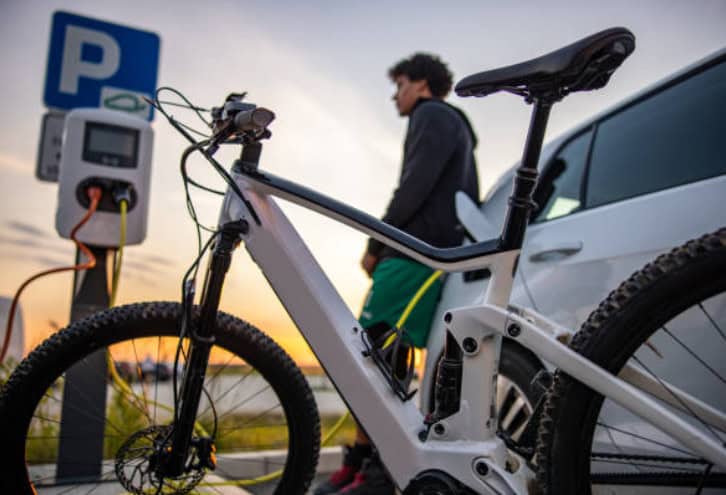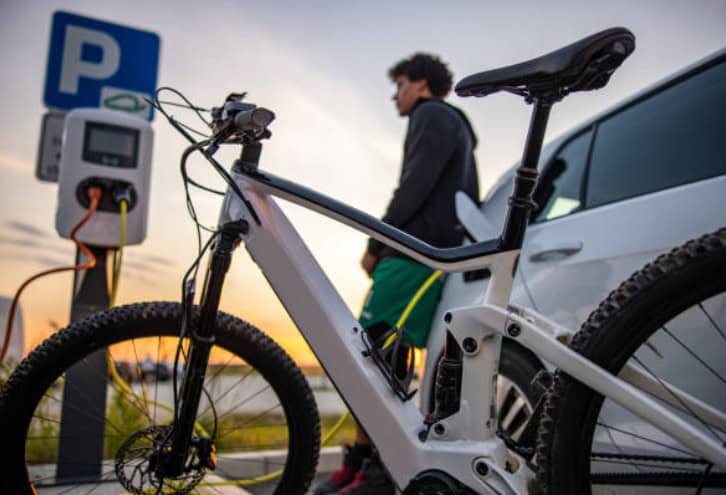
eBikes are a fantastic way to explore the outdoors and cover long distances with ease, but their battery life isn’t unlimited. Whether you’re out on a casual ride or embarking on a multi-day camping trip, knowing how to maximize your eBike’s range can make the difference between a stress-free journey and a ride cut short. By adopting a few smart techniques, you can stretch your battery’s power and get the most out of every charge.
Here’s your ultimate guide to conserving battery power while riding an eBike, so you can enjoy your adventures worry-free.
1. Optimize Your Riding Style
Your riding habits play a big role in how much power your eBike consumes. Adjusting how you ride can significantly improve your battery life.
Pedal More, Assist Less
- Use the pedal-assist feature sparingly. Rely more on your own pedaling power, especially on flat terrain or gentle slopes.
- Save the higher assistance modes for steep hills or when you’re feeling fatigued.
Start Smoothly
- Avoid sudden bursts of acceleration, as they drain the battery quickly.
- Start pedaling before engaging the motor to reduce strain on the battery.
Maintain a Steady Speed
- Keep a consistent pace rather than speeding up and slowing down frequently.
- Riding at moderate speeds (around 12-15 mph) is more efficient than riding at top speed.
2. Use the Right Assist Mode
eBikes often come with different pedal-assist levels, such as Eco, Normal, and Turbo. Choosing the right mode for the situation can conserve battery power.
- Eco Mode: Use this low-power mode for flat roads, bike paths, and light terrain.
- Normal Mode: Ideal for moderate hills and trails where you need a bit more support.
- Turbo Mode: Reserve the highest assistance level for steep climbs or tough conditions.
Pro Tip: Experiment with different modes to find the balance between assistance and battery efficiency.
3. Plan Your Route Carefully
Selecting the right route can make a big difference in how much battery power you consume.
Choose Flat or Gradual Routes
- Hilly terrain requires more motor power, so opt for flatter routes when possible.
- Use bike trail apps like Komoot or TrailLink to find eBike-friendly paths with manageable inclines.
Avoid Strong Headwinds
- Riding into a headwind uses more battery power as the motor compensates for added resistance.
- If wind is unavoidable, ride in Eco mode and use your own power to counteract the resistance.
4. Check Your Tire Pressure
Proper tire pressure not only ensures a smoother ride but also reduces energy loss.
- Keep Tires Inflated: Underinflated tires increase rolling resistance, forcing the motor to work harder.
- Follow Manufacturer Recommendations: Check your eBike manual for the optimal tire pressure range.
Pro Tip: Bring a portable bike pump on your rides to adjust tire pressure as needed.
5. Reduce Weight on Your eBike
The heavier your load, the more power your eBike needs to move. Lightening your bike can help extend battery life.
- Pack Smart: Only bring the essentials on your rides and avoid overpacking.
- Ditch the Extras: Remove unnecessary accessories like heavy racks or bulky bags if they’re not needed for your trip.
6. Maintain Your eBike Regularly
A well-maintained eBike runs more efficiently, which translates to better battery performance.
Keep the Chain Clean and Lubricated
- A dirty or dry chain creates friction, requiring more power to move the bike.
Inspect the Brakes
- Ensure your brakes aren’t rubbing against the wheels, as this adds unnecessary resistance.
Check the Motor and Battery
- Ensure your motor and battery connections are clean and secure.
- Periodically check for software updates that can improve battery efficiency.
7. Monitor Your Battery Usage
Keeping an eye on your battery level and usage patterns can help you adjust on the fly to conserve power.
- Use the Display: Most eBikes come with a display that shows your remaining battery life and range.
- Plan Your Stops: If you notice your battery running low, plan a charging stop or switch to a lower assist mode.
- Practice Battery Cycling: Allow your battery to deplete partially before recharging to maintain its longevity.
8. Use Regenerative Braking (If Available)
Some eBikes are equipped with regenerative braking systems, which convert braking energy into battery power.
- How It Works: When you brake or coast downhill, the system recaptures energy and feeds it back into the battery.
- Maximize Downhill Time: Use downhill stretches to recharge your battery slightly while conserving power.
9. Bring a Backup Battery or Charging Solution
For longer rides, having a backup plan can be a lifesaver.
- Carry a Spare Battery: If your eBike allows it, pack an extra battery for extended range.
- Portable Chargers: Bring a portable power bank or solar charger to recharge during breaks.
- Locate Charging Stations: Research charging spots along your route, such as campgrounds, cafés, or visitor centers.
10. Adjust to the Conditions
Weather and terrain can affect your eBike’s battery life. Adapt your approach based on the environment.
- Ride in Cooler Weather: Extremely hot or cold temperatures can reduce battery efficiency.
- Avoid Rough Trails: Bumpy or uneven surfaces can force the motor to work harder.
Final Thoughts
Maximizing your eBike’s range is all about smart preparation, efficient riding habits, and making the most of your gear. By following these tips, you’ll not only extend your battery life but also enhance your overall riding experience. Whether you’re commuting, exploring trails, or embarking on an eBike camping trip, conserving power ensures you enjoy every mile to the fullest.
So, gear up, hit the road, and let your eBike take you on an adventure that lasts longer than ever before! 🚴♂️🔋✨