When you're out in the wilderness, minor injuries and discomforts can happen—cuts, bug bites, upset stomachs, or even sunburn. While a traditional first aid kit is essential,
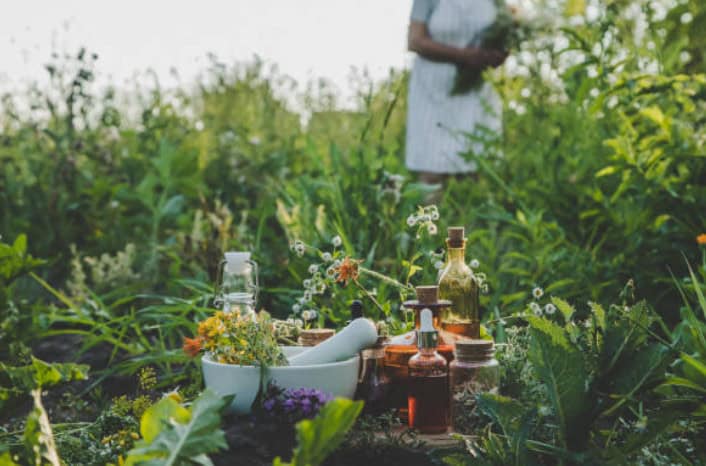
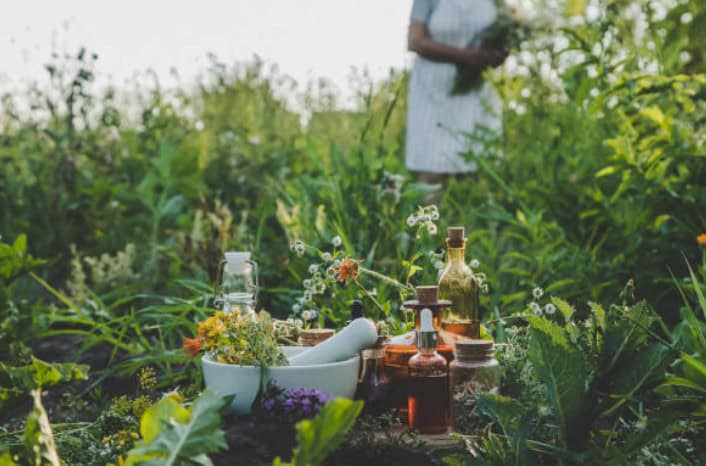
nature provides its own medicine if you know where to look. Many common plants have been used for centuries to treat minor ailments, and learning about them can make your camping experience even more rewarding.
Here are some of the best
natural remedies you can find in the wild and how to use them safely.
1. Aloe Vera – The Go-To for Burns and Sunburns
Where to Find It: Warm, dry climates (deserts, tropical areas)
Aloe Vera is famous for
soothing burns, sunburns, and dry skin. If you’re camping in a sunny area and get too much sun, breaking open an aloe leaf and applying the gel inside can provide instant relief.
How to Use:
- Slice open a leaf and apply the clear gel directly to the affected area.
- Use as often as needed to reduce pain and promote healing.
Alternative: If you’re not in a desert, bring a small bottle of
100% aloe vera gel in your pack.
2. Plantain – The All-Purpose Wound Healer
Where to Find It: Lawns, hiking trails, roadsides (common almost everywhere)
Not to be confused with the banana-like fruit,
plantain leaves are a powerful remedy for
cuts, burns, bug bites, and poison ivy rashes. It’s often called
“nature’s Band-Aid.”
How to Use:
- Crush fresh plantain leaves (or chew them slightly) to release their juices.
- Apply directly to insect bites, stings, or wounds for pain relief.
- Secure with a bandage if needed and reapply as necessary.
Bonus: Plantain also has antibacterial properties, helping
prevent infections in cuts and scrapes.
3. Yarrow – Nature’s Blood Stopper
Where to Find It: Meadows, fields, and roadsides
Yarrow has been used for centuries to
stop bleeding and promote wound healing. If you get a cut while camping, this plant can help slow the bleeding and prevent infection.
How to Use:
- Crush the leaves and flowers into a paste and apply to a bleeding wound.
- Wrap with a clean cloth or bandage.
- Can also be used as a tea to help with digestion issues.
💡
Fun Fact: Yarrow was used by ancient warriors to
treat battlefield wounds!
4. Jewelweed – The Best Poison Ivy Remedy
Where to Find It: Damp, shady areas near streams and rivers
Jewelweed is
nature’s antidote to poison ivy. If you accidentally brush up against poison ivy,
crushing jewelweed leaves and rubbing them on your skin can
neutralize the rash before it starts.
How to Use:
- Crush fresh leaves and apply to the area where you touched poison ivy.
- Use a jewelweed-infused tea or salve to soothe itching if a rash has already appeared.
Alternative: If you’re unsure about jewelweed, look for a
poison ivy relief cream that contains it.
5. Pine Needles – A Natural Immune Booster
Where to Find It: Pine forests (common across North America)
Pine needles are packed with
vitamin C, making them a great immune-boosting tea when you're feeling under the weather. The tea can also help with
coughs and congestion.
How to Use:
- Boil a handful of fresh pine needles in water for 5-10 minutes.
- Strain and drink the tea while warm.
💡
Warning: Avoid pine needles from
Yew trees, which are toxic! Stick to common pines like
Eastern White Pine.
6. Wild Mint – A Stomach Soother & Bug Repellent
Where to Find It: Near streams, moist soil, meadows
Wild mint is
great for digestion and can help with
nausea, gas, and bloating—common problems after eating campfire meals. It also acts as a natural
mosquito repellent!
How to Use:
- Brew a tea using fresh mint leaves for stomach relief.
- Crush the leaves and rub them on your skin to repel mosquitoes.
Alternative: If you can’t find wild mint, bring a
peppermint essential oil as a backup.
7. Lavender – The Ultimate Calming Herb
Where to Find It: Dry, sunny fields and gardens (or dried in stores)
Lavender isn’t just for fancy bath products—it’s a powerful natural remedy for
stress, anxiety, and sleep troubles.
How to Use:
- Crush fresh or dried lavender and inhale for stress relief.
- Brew lavender tea before bed for better sleep.
- Apply a lavender-infused oil to bug bites or minor burns.
Bonus: Rubbing lavender on your skin can also help
repel insects!
8. Willow Bark – Nature’s Pain Reliever
Where to Find It: Near lakes, rivers, and damp areas (look for willow trees)
Willow bark contains
salicin, the natural compound found in
aspirin, making it a
natural pain reliever and fever reducer.
How to Use:
- Peel small strips of bark from a young willow branch.
- Boil the bark in water for 10-15 minutes and drink as tea.
- Use sparingly, as excessive use may cause stomach irritation.
💡
Warning: Avoid if allergic to aspirin.
Safety Tips for Using Wild Plants
✅
Identify with Certainty – Never use a plant unless you're
100% sure what it is. Some plants look alike but can be toxic.
✅
Test First – If using a plant for the first time, do a
small patch test on your skin to check for allergic reactions.
✅
Avoid Polluted Areas – Don't pick plants near roads, industrial sites, or places treated with pesticides.
✅
Know When to Seek Medical Help – Natural remedies are great, but for
serious injuries or illnesses, always seek professional care.
Final Thoughts
Nature provides many
amazing remedies for common camping ailments, from bug bites to upset stomachs. While a
traditional first aid kit is essential, knowing how to use wild plants
adds an extra layer of self-sufficiency to your outdoor adventures.