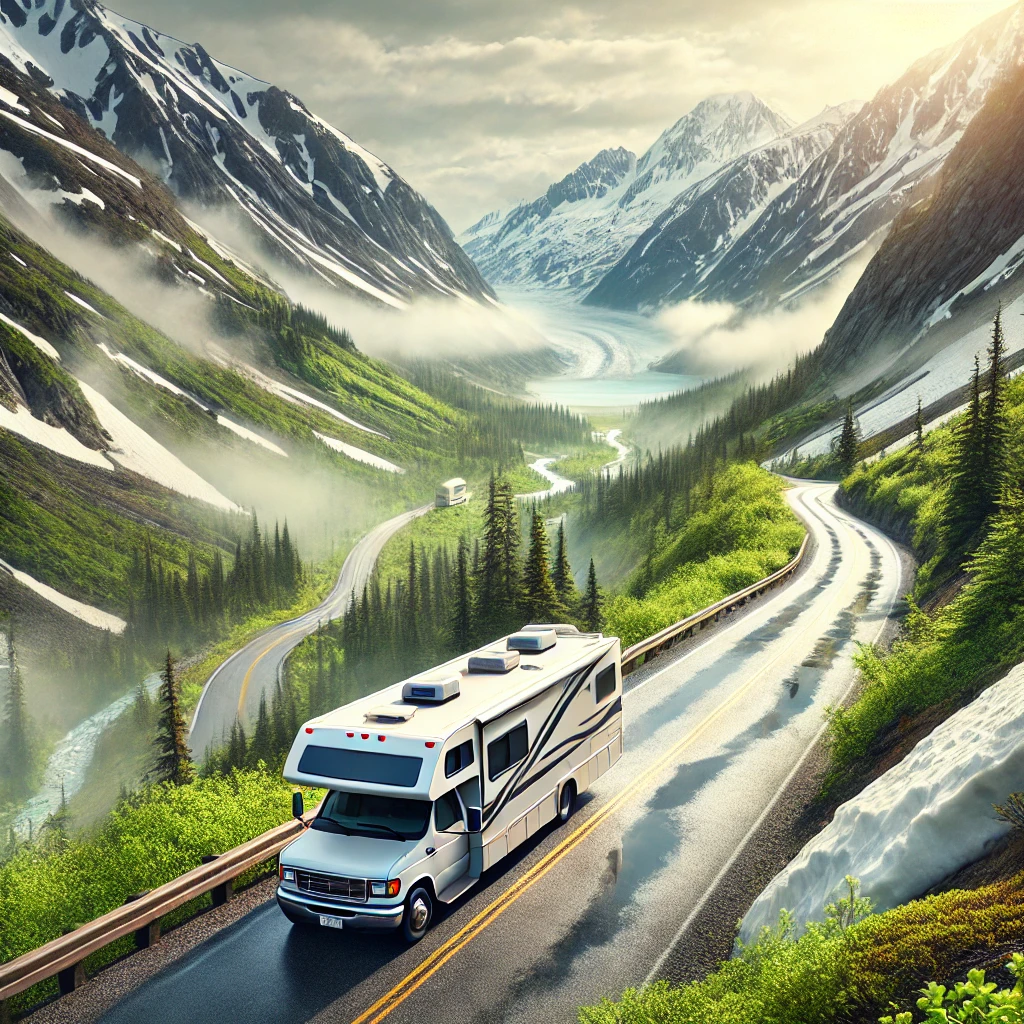
A Changing Landscape: The Challenges of Early Spring in the Mountains
As the last traces of winter begin to fade, mountain landscapes transform into a breathtaking mix of snow-capped peaks, rushing meltwater streams, and vibrant bursts of greenery. But for RV travelers, early spring in the mountains presents unique challenges—icy roads in the morning, muddy paths by noon, and unpredictable weather throughout the day.
If you’re planning an early spring RV adventure in high-altitude destinations, preparation is key. Understanding road conditions, weather patterns, and elevation changes can make the difference between a smooth trip and unexpected setbacks.
Let’s dive into how you can safely navigate mountain travel in early spring while making the most of the season’s beauty.
1. Check Road Conditions Before You Go
Springtime in the mountains means rapidly changing road conditions. Mountain passes that were closed for winter may just be reopening, and roads can be a mix of dry pavement, ice patches, and lingering snowbanks.
- Check state transportation websites for road closures and conditions.
- Download offline maps since cell service can be spotty at high elevations.
- Be aware of seasonal weight restrictions on certain roads—early spring thawing can make some roads too soft for heavy vehicles.
Pro Tip: If you're unsure about road safety, stop at a visitor center or ranger station before heading into high-altitude areas. Local rangers often have the most up-to-date reports.
2. Prepare for Unpredictable Weather
In the mountains, spring can bring warm sunshine one moment and a sudden snowstorm the next. Temperatures fluctuate drastically between day and night, so packing for all conditions is essential.
- Layer up: Wear moisture-wicking base layers, an insulated mid-layer, and a waterproof outer shell.
- Carry tire chains: Even if roads seem clear, higher elevations may still have ice. Some mountain roads require chains until late spring.
- Monitor forecasts frequently: Use a weather radio or satellite app since storms can roll in with little warning.
Pro Tip: Park your RV strategically—avoid low-lying spots that could flood from melting snow, and steer clear of areas prone to rockslides.
3. Watch for Wildlife on the Move
Spring is an active season for wildlife, with many animals coming out of hibernation or migrating to summer grazing areas. This means more frequent encounters on mountain roads and trails.
- Drive cautiously at dawn and dusk, when wildlife is most active.
- Give animals plenty of space—elk, deer, and even bears may be crossing roads unexpectedly.
- Store food properly to prevent attracting animals to your campsite.
Pro Tip: If you’re in bear country, carry bear spray and make noise while hiking to avoid startling wildlife.
4. Adjust Your RV Driving Strategy for Elevation
Mountain roads in early spring can be tricky to navigate, especially if you’re not used to driving at high elevations. The thinner air can affect both your RV’s engine performance and your own energy levels.
- Drive slowly and use lower gears when going up or down steep grades to avoid overheating brakes.
- Plan fuel stops carefully—gas stations can be few and far between in mountain regions.
- Be mindful of altitude sickness, especially if you’re traveling above 8,000 feet. Stay hydrated and take breaks to acclimate.
Pro Tip: If your RV doesn’t handle steep inclines well, consider alternative routes with gradual elevation gains.
5. Be Prepared for Spring Thaw Hazards
As the snow melts, water can create additional obstacles for RVers. Flash floods, mudslides, and sinkholes are all potential hazards in the mountains during early spring.
- Avoid parking or camping in dry creek beds—they can flood quickly with melting snow.
- Stick to well-maintained roads and avoid deep mud, which can be difficult to escape in a heavy RV.
- Carry traction aids like sand or traction mats in case you get stuck.
Pro Tip: If you’re camping in an area with high runoff, elevate gear off the ground to keep it dry.
6. Take Advantage of the Perks of Early Spring RVing
Despite the challenges, early spring mountain travel has its rewards. Fewer crowds, stunning snow-covered landscapes, and the chance to see nature waking up from winter make it a magical time to explore.
- Many campgrounds and national parks are less crowded, giving you prime campsite choices.
- Wildflowers start blooming at lower elevations, offering spectacular views.
- Wildlife sightings are more frequent as animals emerge from winter dens.
Pro Tip: Look for campgrounds that open in March or April for an early-season adventure with fewer people.
Final Thoughts
Mountain travel in early spring is a mix of adventure and unpredictability. By staying informed, preparing for changing conditions, and adjusting your driving techniques, you can enjoy a safe and unforgettable trip through the mountains.
So, whether you’re planning to explore the Rockies, the Sierra Nevada, or the Appalachian highlands, embrace the season and hit the road—just make sure you’re ready for whatever the mountains throw your way!