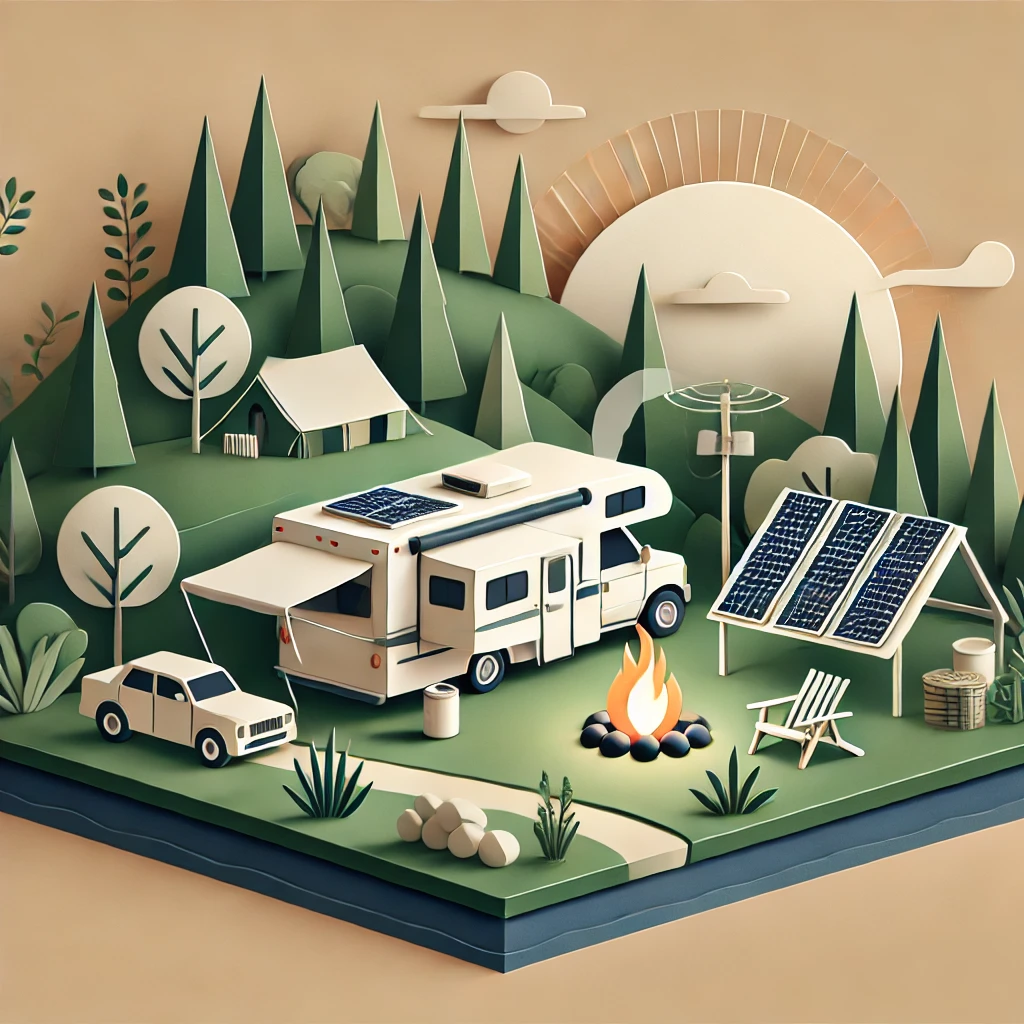
Boondocking—also known as
dry camping or off-grid RVing—is the ultimate way to experience
freedom on the road. No campgrounds, no hookups, just you, your RV, and the great outdoors. 🌿🚐
But while boondocking can be a
peaceful and budget-friendly way to camp, it also requires
proper planning, resource management, and self-sufficiency.
Whether you’re
new to off-grid camping or looking to level up your boondocking game, this guide covers
everything you need to know to camp off-grid like a pro.
1. What is Boondocking?
Boondocking is camping
without hookups—no water, electricity, or sewer connections. Unlike traditional campgrounds,
boondockers rely on their RV’s built-in systems and nature itself.
There are
three main types of boondocking:
1️⃣
Public Land Camping (BLM/National Forests) – Free or low-cost camping in designated areas on federal land.
2️⃣
Stealth Camping – Parking in urban or suburban areas discreetly, often overnight in legal spots.
3️⃣
Moochdocking – Staying on private property (friends, family, or businesses like Harvest Hosts).
💡
Pro Tip: Always follow
Leave No Trace principles—respect the land, pack out your trash, and minimize your impact.
2. Finding the Perfect Boondocking Spot
Not all public land allows camping, so it’s important to
find the right boondocking spot. Here’s how:
Best Apps for Finding Boondocking Locations:
✔
Campendium – Reviews and details on free camping spots.
✔
iOverlander – Great for finding dispersed camping on public land.
✔
FreeCampsites.net – User-submitted free camping locations.
✔
BLM & USFS Websites – Official maps for Bureau of Land Management and National Forest campsites.
What to Look For in a Boondocking Spot:
✔
Flat, stable ground for parking.
✔
Cell signal (if needed for work or emergencies).
✔
Proximity to water sources (rivers, lakes, or refill stations).
✔
Shade or sun depending on the season (for warmth or solar charging).
💡
Pro Tip: Always check local regulations—some areas have stay limits, fire restrictions, or permit requirements.
3. Managing Power Off-Grid ⚡
Without shore power, you’ll need to generate your own electricity. Here are the best ways to keep your RV powered up:
Power Sources for Boondocking:
☀
Solar Panels – The best long-term, eco-friendly option for generating electricity.
🔋
Battery Bank (Lithium or AGM) – Stores energy for daily use.
🎰
Generator (Gas, Diesel, or Propane) – A reliable backup, but can be noisy and require fuel.
🚙
Alternator Charging – Some RVs can charge house batteries while driving.
💡
Pro Tip: Use
LED lights, energy-efficient appliances, and an inverter to conserve power!
4. Water Conservation & Waste Management 💧
Since you won’t have water hookups, managing
freshwater and waste tanks is key.
How to Conserve Water While Boondocking:
✔
Take Navy Showers – Rinse, soap up, rinse again.
✔
Use Biodegradable Wipes – A quick way to freshen up without using water.
✔
Wash Dishes Smartly – Wipe plates clean before washing; use a spray bottle to minimize water use.
Dealing with Waste Tanks:
✔
Know Your Tank Capacities – Track how fast you fill up your black and gray tanks.
✔
Dump Tanks at RV Dump Stations – Use apps like
Sanidumps to find locations.
✔
Use Composting Toilets – A water-saving alternative to traditional RV toilets.
💡
Pro Tip: Always
bring extra drinking water—collapsible water containers are a great backup!
5. Staying Safe While Boondocking 🛑
Boondocking in remote areas can be
safe and enjoyable with the right precautions.
Boondocking Safety Tips:
✔
Trust Your Instincts – If a place feels sketchy, move on.
✔
Park Before Dark – Arriving in daylight helps you find a safe spot.
✔
Lock Up Valuables – Use security cameras, motion lights, and RV locks.
✔
Have an Exit Plan – Park facing an exit so you can leave quickly if needed.
💡
Pro Tip: Share your location with a friend or family member when camping remotely.
6. Cooking & Meal Planning Off-Grid 🍳
Without access to restaurants or camp stores, planning meals ahead of time is essential.
Easy Boondocking Meals:
✔
One-Pan Skillet Dishes – Easy cleanup!
✔
Pre-Made Freezer Meals – Heat and serve.
✔
Shelf-Stable Staples – Stock up on
canned goods, rice, pasta, and protein bars.
✔
Grilling & Campfire Cooking – Saves propane and adds a fun outdoor element!
💡
Pro Tip: Bring a
rechargeable or propane-powered coffee maker to enjoy fresh coffee in the wild!
7. How to Leave No Trace & Respect Nature 🌿
Boondocking is a
privilege, not a right. Always
respect the land and minimize your impact.
Leave No Trace Principles for Boondocking:
✔
Pack Out Trash – Bring extra garbage bags.
✔
Use Biodegradable Products – Soaps, shampoos, and wipes.
✔
Minimize Fire Impact – Use existing fire rings and follow burn bans.
✔
Respect Wildlife – Don’t feed animals, and keep a safe distance.
💡
Pro Tip: Use a
portable toilet or bury waste properly when camping far from dump stations.
Final Thoughts: Enjoy the Freedom of Boondocking!
Boondocking is one of the
best ways to experience true freedom on the road. Whether you’re camping in the mountains, desert, or by the beach,
off-grid RVing offers solitude, adventure, and cost savings.
✔
Find the perfect off-grid campsite
✔
Manage power, water, and waste efficiently
✔
Stay safe and respect nature
✔
Enjoy self-sufficiency and the beauty of remote camping
With the right knowledge and preparation, you’ll be
boondocking like a pro in no time! 🚐🌿✨