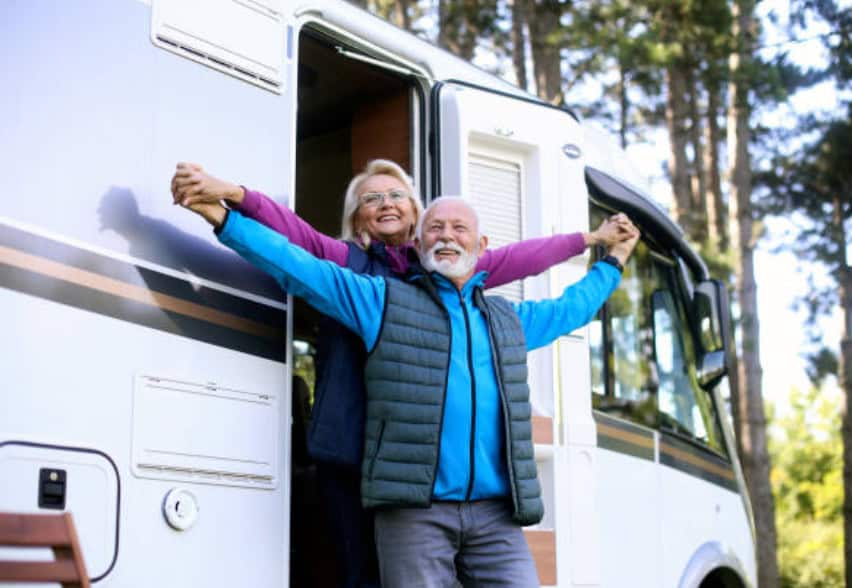
Retirement brings
freedom, adventure, and the chance to explore—but if you’re moving from a
traditional home to an RV, it also means
downsizing in a big way. Transitioning to RV life after retirement isn’t just about
getting rid of stuff; it’s about
adapting to a simpler lifestyle while making sure you have
everything you need for the road ahead.
If you’re planning to retire into
full-time RV living, here’s how to
downsize smartly, avoid common pitfalls, and embrace
a clutter-free, stress-free, and adventure-filled life on the road.
1. Start Downsizing Early – Give Yourself Time
The biggest mistake retirees make?
Waiting until the last minute to start decluttering. Downsizing is a
process, and doing it too fast can feel overwhelming.
✔
Give yourself at least 6 months to a year before moving into your RV full-time.
✔ Start with
one room at a time, working your way down to the essentials.
✔
Digitize important documents and photos to reduce paper clutter.
✔ Keep in mind that
RV storage space is extremely limited, so be realistic about what you bring.
💡
Pro Tip: If something
hasn’t been used in over a year, you probably don’t need it in your RV!
2. Prioritize What You REALLY Need
Moving from a
house to an RV means you’ll have
far less space for furniture, clothing, and keepsakes. Focus on keeping
only the most essential, multi-use items.
🔹
Clothing: Bring versatile, season-appropriate outfits and
limit bulky items.
🔹
Kitchenware: Keep only
RV-friendly cookware, like
nesting pots, collapsible bowls, and lightweight plates.
🔹
Furniture: Your RV will already have built-in seating and storage—don’t bring unnecessary furniture.
🔹
Hobby & Leisure Items: Pick a few favorite activities (like fishing, hiking, or crafting) and
only bring the gear you use most.
💡
Pro Tip: Try
the "one-year rule"—if you haven’t used it in the past year, you probably won’t need it in your RV.
3. Sell, Donate, or Store? Making the Tough Decisions
After sorting through your belongings, you’ll have
three main options:
1️⃣
Sell It – Great for
furniture, collectibles, and valuable items you no longer need. Hold a
garage sale or use sites like
Facebook Marketplace or Craigslist.
2️⃣
Donate It – If something isn’t worth selling but is still in
good shape, donate it to
Goodwill, local shelters, or community centers.
3️⃣
Store It – If you can’t part with sentimental items (like
family heirlooms or photo albums), rent a
small storage unit or ask a trusted family member to hold onto them.
💡
Pro Tip: If you’re paying for storage, make sure it’s
worth the cost—don’t store things you’ll never use again!
4. Adjusting to a Smaller Kitchen
RVs have
much smaller kitchens than traditional homes, so you’ll need to rethink how you
cook and store food.
✔ Stick to
compact, multi-purpose appliances like an
Instant Pot or air fryer.
✔ Choose
stackable, collapsible, or nesting cookware to save space.
✔ Limit
fridge and pantry items—buy fresh groceries
more frequently instead of stockpiling.
✔ Use
magnetic spice racks and hanging organizers to maximize storage.
💡
Pro Tip: RV fridges are
smaller than home refrigerators, so plan meals with
limited fridge space in mind!
5. Downsizing Your Wardrobe for RV Life
Many retirees find that they bring
way too many clothes when moving into an RV. The trick?
Pack based on climate and versatility.
✔
Stick to mix-and-match basics – Neutral colors and layering pieces work best.
✔
Limit bulky items – One warm jacket is enough. Avoid
heavy coats, extra shoes, and oversized sweaters.
✔
Invest in quality, not quantity – A few durable, moisture-wicking shirts last
longer than a closet full of cheap clothes.
✔
Use vacuum-seal bags – They compress clothing, freeing up
precious drawer space.
💡
Pro Tip: If you haven’t
worn it in the last six months, don’t bring it!
6. Choosing the Right RV for Retirement
Not all RVs are
ideal for full-time living—choosing the right one
makes all the difference in comfort and convenience.
✔
Class A Motorhomes – Large, spacious, great for retirees who want an
apartment-on-wheels feel.
✔
Class C RVs – A more
affordable, mid-sized option with a balance of comfort and drivability.
✔
Fifth Wheels & Travel Trailers – Perfect if you
want to tow your home behind a truck and set up camp for long stays.
✔
Camper Vans – Compact, fuel-efficient, but
limited in space and amenities.
💡
Pro Tip: Before purchasing,
rent different types of RVs to see what suits your lifestyle best!
7. Learning to Live With Less (And Loving It!)
The biggest adjustment in downsizing isn’t just
space—it’s
mindset. Moving into an RV means learning to live with
fewer belongings but more experiences.
✔ Embrace
minimalism – Owning less
reduces stress and keeps your space clutter-free.
✔ Focus on
experiences over things – RV life is about
travel, nature, and freedom, not material items.
✔ Get creative with storage – Use
multi-functional furniture, collapsible bins, and hanging organizers.
✔ Enjoy the
freedom of mobility – No mortgage, no unnecessary clutter—just the
open road ahead!
💡
Pro Tip: Downsizing isn’t about
giving up comfort—it’s about
simplifying life so you can enjoy it more.
Final Thoughts: Making the Transition to RV Life Easy
Downsizing for
full-time RV living after retirement may feel overwhelming at first, but it’s also
incredibly freeing. By following these steps, you can
declutter your life, fit everything you need into a
smaller space, and
fully embrace the RV lifestyle.
✔
Start early and downsize gradually
✔
Prioritize only what you really need
✔
Sell, donate, or store unwanted items
✔
Adjust to a smaller kitchen and closet
✔
Choose an RV that fits your retirement lifestyle
✔
Embrace minimalism and enjoy the journey!
Living in an RV after retirement means
more freedom, fewer responsibilities, and endless adventure. The road is calling—
are you ready to answer?