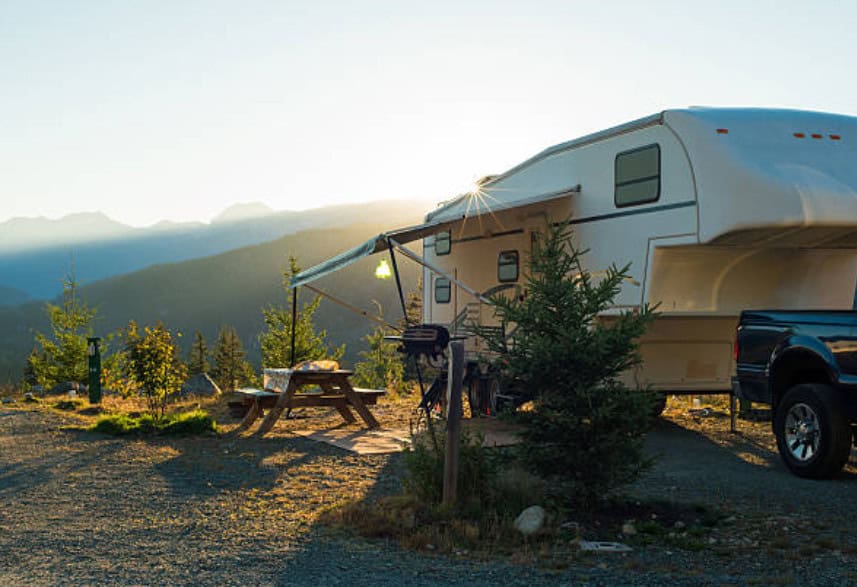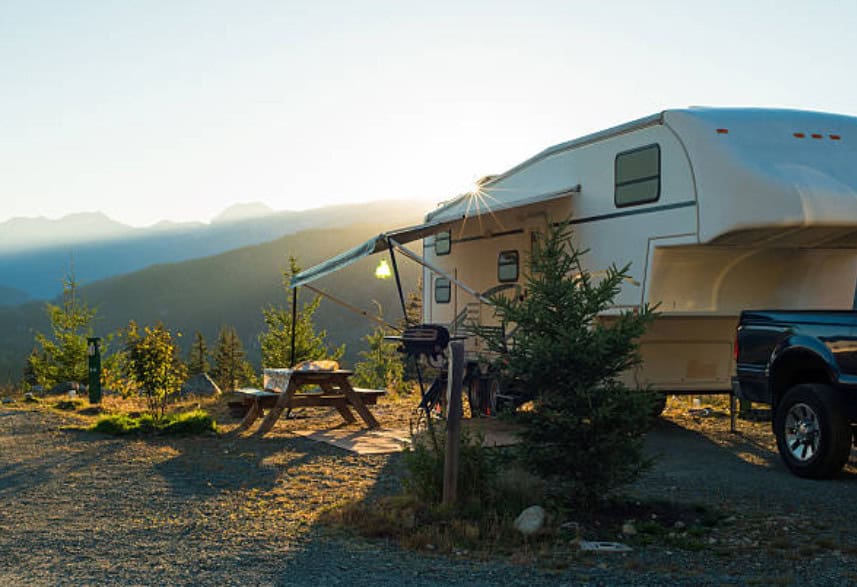
RV camping is a fantastic way to explore the great outdoors while still enjoying modern comforts. But if you’re new to RVing, figuring out
hookups for water, sewer, and electricity can feel overwhelming. The good news? Once you understand the basics, setting up your RV becomes second nature!
This guide breaks everything down
step by step so you can confidently hook up your RV without stress.
1. Water Hookups: How to Get Fresh Water to Your RV 🚰
Every RV needs water for drinking, cooking, washing dishes, and showering. When you arrive at a
full-hookup campsite, you’ll find a
water spigot to connect your RV to a fresh water supply.
How to Hook Up Your RV to Water:
- Locate the Water Spigot – Every full-hookup site will have a freshwater connection near your parking spot.
- Use a Drinking Water Hose – Attach a clean, lead-free water hose (not a regular garden hose).
- Attach a Water Pressure Regulator – Some campground water supplies have high pressure, which can damage your RV’s plumbing. A water pressure regulator keeps it safe.
- Connect the Hose to Your RV’s Water Inlet – This inlet is labeled “City Water Connection” on most RVs.
- Turn On the Water Slowly – Let the water flow gently at first to avoid pressure shocks in your system.
- Check for Leaks – Before using the water, make sure everything is secure and not dripping.
Pro Tip: If you’re camping at a site without a water hookup, you’ll need to fill your fresh water tank before arriving and use your RV’s water pump to get water when needed.
2. Sewer Hookups: How to Properly Dump Your Waste Tanks 💩
Your RV has
two types of waste tanks:
✔
Gray Water Tank – Holds used water from sinks and showers.
✔
Black Water Tank – Holds waste from the toilet.
Connecting your RV to a sewer hookup allows you to
safely dump waste at designated sites.
How to Hook Up to an RV Sewer System:
- Wear Disposable Gloves – You don’t want to touch raw sewage. Gloves keep your hands clean.
- Locate the Sewer Connection – The campsite’s sewer drain is usually a covered pipe near the ground.
- Attach the Sewer Hose – Connect one end of the hose to your RV’s waste outlet and the other to the campground’s sewer inlet.
- Open the Black Tank Valve First – This allows solid waste to flow out first.
- Open the Gray Tank Valve Next – This rinses out any remaining debris in the hose.
- Flush the System – Some RVs have a built-in tank flushing system, or you can use an extra hose to rinse the inside.
- Secure the Hose and Close the Valves – Make sure everything is sealed before disconnecting.
Pro Tip: Always keep your black tank valve closed until it’s at least ⅔ full. This prevents waste from drying out and clogging your system.
3. Electrical Hookups: Powering Your RV Safely ⚡
Your RV needs electricity to run
lights, appliances, and charging ports. Most campgrounds offer
30-amp or 50-amp hookups—you need to know which one your RV requires.
How to Hook Up to RV Electricity:
- Check Your RV’s Power Needs – Find out if your RV uses 30-amp or 50-amp power (it’s usually marked on the plug).
- Locate the Power Pedestal – This is where you’ll plug in your RV’s power cord.
- Turn Off the Breaker Switch – Always switch off the pedestal breaker before plugging in to avoid power surges.
- Plug in Your Power Cord – Connect your RV’s power cord to the appropriate outlet (30-amp or 50-amp).
- Turn the Breaker Back On – Flip the breaker switch on after plugging in.
- Test Your Power Inside the RV – Make sure your lights, fridge, and outlets are working properly.
Pro Tip: If the campsite only offers 50-amp power and your RV needs 30-amp, you’ll need a 50-to-30 amp adapter to safely connect.
4. How to Dry Camp (Boondocking) Without Hookups 🌲
Not every campsite has full hookups! If you’re camping in a
remote location, you’ll need to
manage water, waste, and power on your own.
Tips for Dry Camping Without Hookups:
✔
Bring extra water – Fill your fresh water tank
before you arrive.
✔
Conserve electricity – Use
solar panels or a
generator to keep power running.
✔
Use a portable waste tank – If your tanks fill up, a
portable waste tank lets you dump waste at a station without moving your RV.
✔
Take shorter showers – Limit water use to
extend your tank’s supply.
5. Common Hookup Mistakes (And How to Avoid Them) 🚨
Even experienced RVers make mistakes when setting up their hookups. Here are some common errors and
how to prevent them.
❌ Mistake #1: Forgetting a Water Pressure Regulator
🔹 High water pressure can
damage your RV plumbing. Always use a
water pressure regulator to keep pressure safe.
❌ Mistake #2: Leaving the Black Tank Open
🔹 Keeping the black tank valve open
causes waste to dry up and clog. Only open it
when dumping.
❌ Mistake #3: Plugging Into the Wrong Power Source
🔹 Accidentally plugging a
30-amp RV into a 50-amp outlet without an adapter can damage your electrical system.
❌ Mistake #4: Not Securing the Sewer Hose Properly
🔹 A loose hose can
spill waste everywhere—double-check connections before opening valves!
❌ Mistake #5: Overloading Your Power Supply
🔹 Running
too many appliances at once can trip the breaker. Be mindful of your power usage.
Final Thoughts: Mastering RV Hookups Like a Pro
Once you
understand the basics of water, sewer, and electricity hookups, RVing becomes much easier. Follow these steps,
avoid common mistakes, and you’ll be setting up your RV like a pro in no time.
✔
Use a water pressure regulator to protect your pipes.
✔
Dump your black tank first, then the gray tank to clean your hose.
✔
Turn off the power breaker before plugging in your RV.
✔
If dry camping, manage your water, waste, and power carefully.
With a little practice, you’ll be able to
set up your RV in minutes and spend more time enjoying your adventure!