 1. Your Property
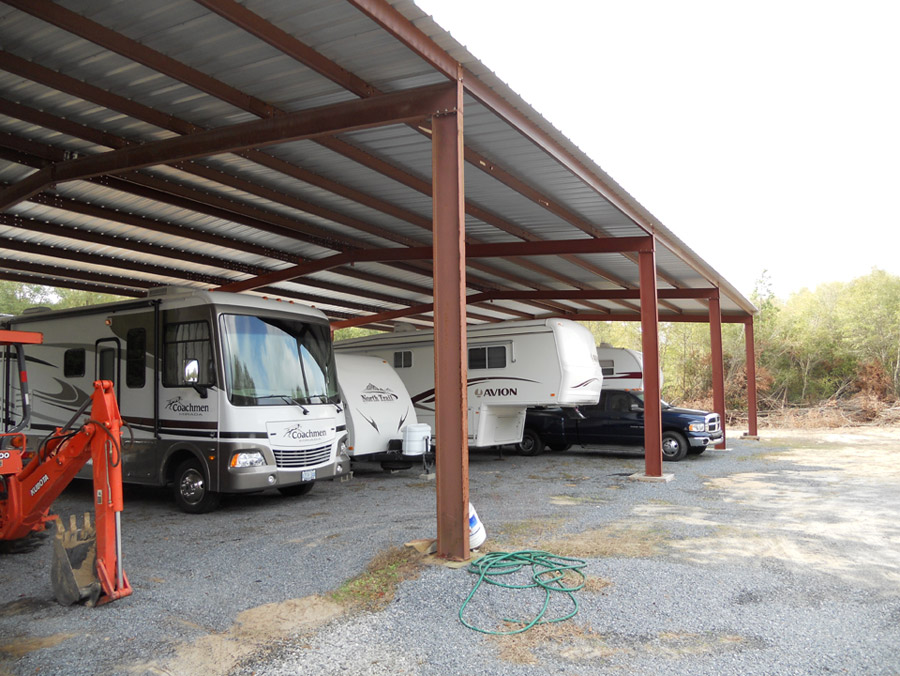
If you have enough space on your property, storing your RV there is the most convenient and cost-effective option. Make sure to check local zoning and neighborhood restrictions, and consider investing in an RV cover or storage shelter for protection.
2. Friends or Family
Ask friends or family members if they have extra space on their property where you can park your RV when it's not in use. It's a win-win situation that can help them deter potential intruders or vandals.
3. Public Land
Many states and regions offer free or low-cost RV storage on public land. Research state or national forests, Bureau of Land Management (BLM) areas, or wildlife management areas that permit RV storage. Some sites have time restrictions, so check the rules and regulations.
4. Driveways or Empty Lots
Sometimes, you might find businesses or property owners who are willing to let you park your RV in their empty lots or driveways for free. Be sure to seek proper permission and understand any time limitations.
5. City Streets or Parking
In some areas, you can legally park your RV on city streets. Be sure to review local ordinances and rules, as restrictions can vary widely. Some places permit overnight parking, while others have strict time limits.
6. Campgrounds and RV Parks
Certain campgrounds and RV parks may offer free or reduced-rate storage for their regular customers during the off-season. Check with your favorite RV parks to see if they provide this option.
7. Fairgrounds and Event Centers
During off-peak times, fairgrounds and event centers sometimes allow RV storage for free or at a reduced rate. Keep an eye on local event calendars and inquire about storage possibilities.
8. RV Dealerships
While not common, some RV dealerships might offer free storage for RV owners who have purchased from them. It's worth asking if they have such a program, especially during slow sales seasons.
9. Schools or Community Centers
Some schools or community centers allow RV storage during extended breaks or vacations when their parking lots are not in full use. Contact local educational or community institutions to inquire about available storage periods.
10. Church Parking Lots
In some cases, churches may permit RV storage in their parking lots. Consider reaching out to churches in your area and discussing the possibility of storing your RV during times when their lots are not heavily utilized.
Conclusion
Storing your RV for free is possible, but it often requires research, communication, and finding creative solutions. Each option has its own set of rules and regulations, so it's important to understand the terms and conditions associated with any free RV storage solution. By exploring these ten options, you can find a convenient and cost-effective way to store your RV during the times when it's not exploring the great outdoors.
1. Your Property
If you have enough space on your property, storing your RV there is the most convenient and cost-effective option. Make sure to check local zoning and neighborhood restrictions, and consider investing in an RV cover or storage shelter for protection.
2. Friends or Family
Ask friends or family members if they have extra space on their property where you can park your RV when it's not in use. It's a win-win situation that can help them deter potential intruders or vandals.
3. Public Land
Many states and regions offer free or low-cost RV storage on public land. Research state or national forests, Bureau of Land Management (BLM) areas, or wildlife management areas that permit RV storage. Some sites have time restrictions, so check the rules and regulations.
4. Driveways or Empty Lots
Sometimes, you might find businesses or property owners who are willing to let you park your RV in their empty lots or driveways for free. Be sure to seek proper permission and understand any time limitations.
5. City Streets or Parking
In some areas, you can legally park your RV on city streets. Be sure to review local ordinances and rules, as restrictions can vary widely. Some places permit overnight parking, while others have strict time limits.
6. Campgrounds and RV Parks
Certain campgrounds and RV parks may offer free or reduced-rate storage for their regular customers during the off-season. Check with your favorite RV parks to see if they provide this option.
7. Fairgrounds and Event Centers
During off-peak times, fairgrounds and event centers sometimes allow RV storage for free or at a reduced rate. Keep an eye on local event calendars and inquire about storage possibilities.
8. RV Dealerships
While not common, some RV dealerships might offer free storage for RV owners who have purchased from them. It's worth asking if they have such a program, especially during slow sales seasons.
9. Schools or Community Centers
Some schools or community centers allow RV storage during extended breaks or vacations when their parking lots are not in full use. Contact local educational or community institutions to inquire about available storage periods.
10. Church Parking Lots
In some cases, churches may permit RV storage in their parking lots. Consider reaching out to churches in your area and discussing the possibility of storing your RV during times when their lots are not heavily utilized.
Conclusion
Storing your RV for free is possible, but it often requires research, communication, and finding creative solutions. Each option has its own set of rules and regulations, so it's important to understand the terms and conditions associated with any free RV storage solution. By exploring these ten options, you can find a convenient and cost-effective way to store your RV during the times when it's not exploring the great outdoors.RV Storage Solutions: 10 Ways to Store Your RV for Free
Introduction
Owning an RV is a ticket to freedom and adventure, but when it's not in use, finding a suitable storage solution can be a challenge. Paying for RV storage fees can add up over time, and many RV owners wonder if there are alternatives. The good news is that there are options for free RV storage if you know where to look. In this article, we'll explore ten solutions to help you store your RV for free when you're not hitting the open road.
1. Your Property
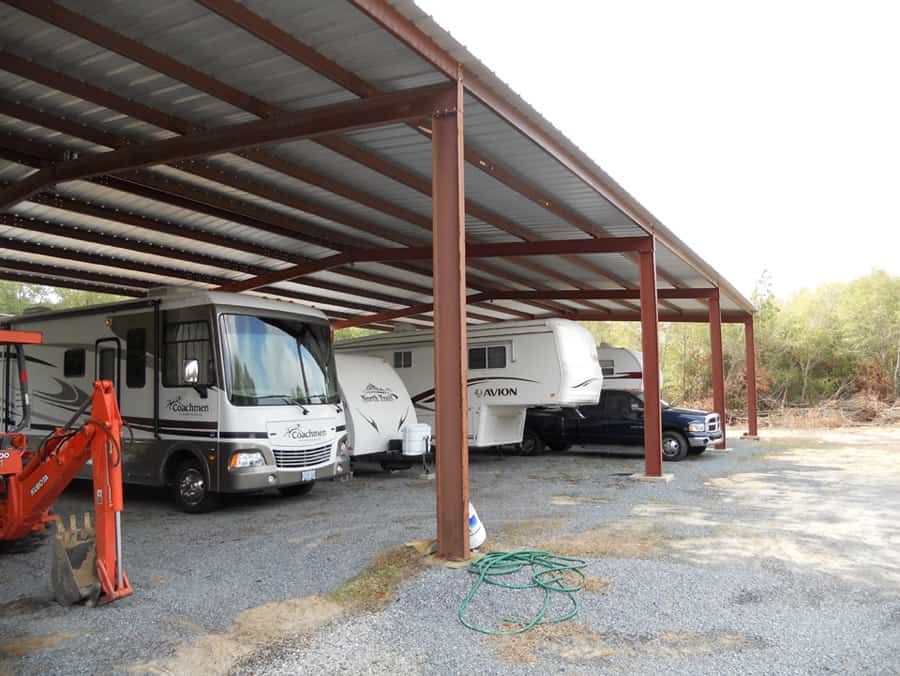
If you have enough space on your property, storing your RV there is the most convenient and cost-effective option. Make sure to check local zoning and neighborhood restrictions, and consider investing in an RV cover or storage shelter for protection.
2. Friends or Family
Ask friends or family members if they have extra space on their property where you can park your RV when it's not in use. It's a win-win situation that can help them deter potential intruders or vandals.
3. Public Land
Many states and regions offer free or low-cost RV storage on public land. Research state or national forests, Bureau of Land Management (BLM) areas, or wildlife management areas that permit RV storage. Some sites have time restrictions, so check the rules and regulations.
4. Driveways or Empty Lots
Sometimes, you might find businesses or property owners who are willing to let you park your RV in their empty lots or driveways for free. Be sure to seek proper permission and understand any time limitations.
5. City Streets or Parking
In some areas, you can legally park your RV on city streets. Be sure to review local ordinances and rules, as restrictions can vary widely. Some places permit overnight parking, while others have strict time limits.
6. Campgrounds and RV Parks
Certain campgrounds and RV parks may offer free or reduced-rate storage for their regular customers during the off-season. Check with your favorite RV parks to see if they provide this option.
7. Fairgrounds and Event Centers
During off-peak times, fairgrounds and event centers sometimes allow RV storage for free or at a reduced rate. Keep an eye on local event calendars and inquire about storage possibilities.
8. RV Dealerships
While not common, some RV dealerships might offer free storage for RV owners who have purchased from them. It's worth asking if they have such a program, especially during slow sales seasons.
9. Schools or Community Centers
Some schools or community centers allow RV storage during extended breaks or vacations when their parking lots are not in full use. Contact local educational or community institutions to inquire about available storage periods.
10. Church Parking Lots
In some cases, churches may permit RV storage in their parking lots. Consider reaching out to churches in your area and discussing the possibility of storing your RV during times when their lots are not heavily utilized.
Conclusion
Storing your RV for free is possible, but it often requires research, communication, and finding creative solutions. Each option has its own set of rules and regulations, so it's important to understand the terms and conditions associated with any free RV storage solution. By exploring these ten options, you can find a convenient and cost-effective way to store your RV during the times when it's not exploring the great outdoors.
1. Your Property
If you have enough space on your property, storing your RV there is the most convenient and cost-effective option. Make sure to check local zoning and neighborhood restrictions, and consider investing in an RV cover or storage shelter for protection.
2. Friends or Family
Ask friends or family members if they have extra space on their property where you can park your RV when it's not in use. It's a win-win situation that can help them deter potential intruders or vandals.
3. Public Land
Many states and regions offer free or low-cost RV storage on public land. Research state or national forests, Bureau of Land Management (BLM) areas, or wildlife management areas that permit RV storage. Some sites have time restrictions, so check the rules and regulations.
4. Driveways or Empty Lots
Sometimes, you might find businesses or property owners who are willing to let you park your RV in their empty lots or driveways for free. Be sure to seek proper permission and understand any time limitations.
5. City Streets or Parking
In some areas, you can legally park your RV on city streets. Be sure to review local ordinances and rules, as restrictions can vary widely. Some places permit overnight parking, while others have strict time limits.
6. Campgrounds and RV Parks
Certain campgrounds and RV parks may offer free or reduced-rate storage for their regular customers during the off-season. Check with your favorite RV parks to see if they provide this option.
7. Fairgrounds and Event Centers
During off-peak times, fairgrounds and event centers sometimes allow RV storage for free or at a reduced rate. Keep an eye on local event calendars and inquire about storage possibilities.
8. RV Dealerships
While not common, some RV dealerships might offer free storage for RV owners who have purchased from them. It's worth asking if they have such a program, especially during slow sales seasons.
9. Schools or Community Centers
Some schools or community centers allow RV storage during extended breaks or vacations when their parking lots are not in full use. Contact local educational or community institutions to inquire about available storage periods.
10. Church Parking Lots
In some cases, churches may permit RV storage in their parking lots. Consider reaching out to churches in your area and discussing the possibility of storing your RV during times when their lots are not heavily utilized.
Conclusion
Storing your RV for free is possible, but it often requires research, communication, and finding creative solutions. Each option has its own set of rules and regulations, so it's important to understand the terms and conditions associated with any free RV storage solution. By exploring these ten options, you can find a convenient and cost-effective way to store your RV during the times when it's not exploring the great outdoors.