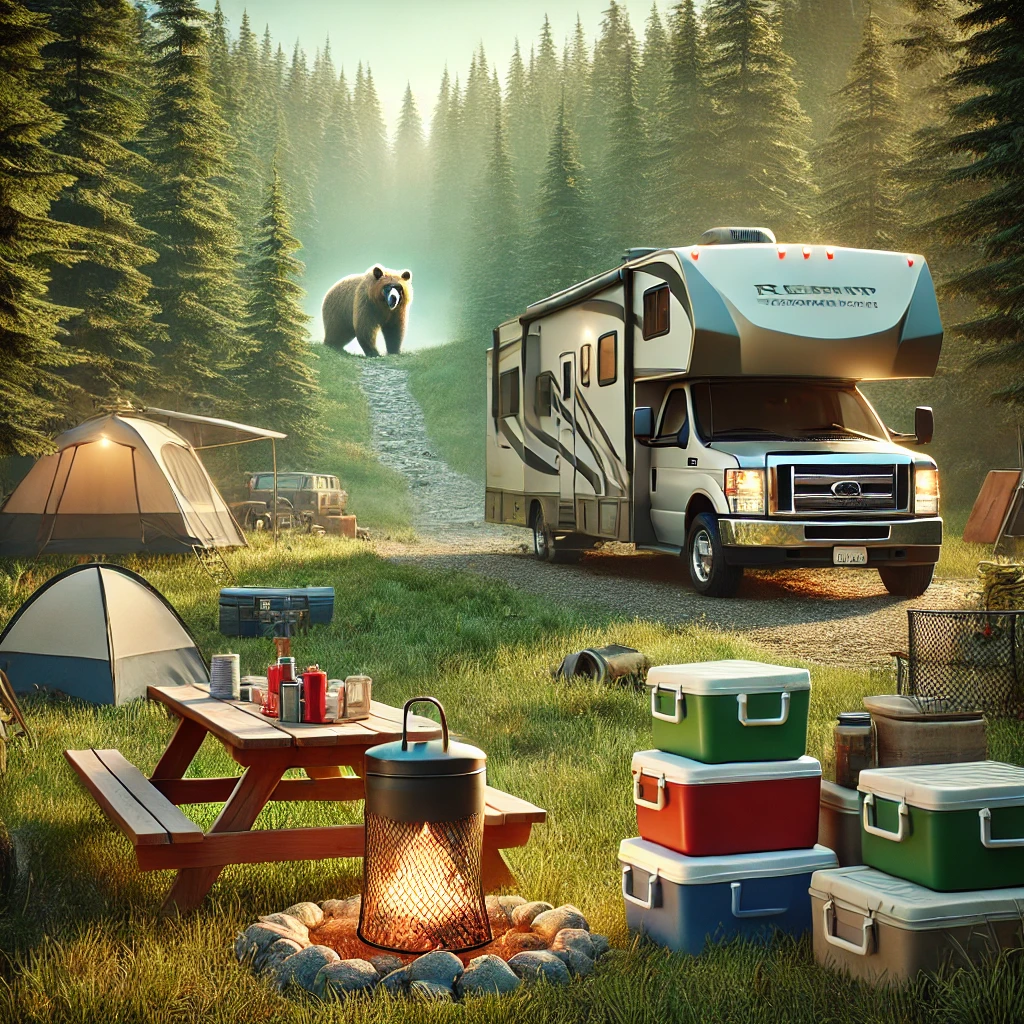
An Unforgettable Experience—With the Right Precautions
Camping in bear country is one of the most thrilling ways to experience nature, but it also comes with serious responsibilities. Whether you're parked near the majestic peaks of the Rockies or deep in the forests of Yellowstone, bears are part of the landscape. A wrong move—like leaving food unsecured—can quickly turn a peaceful night into an unexpected wildlife encounter.
So, how do you balance the beauty of bear country with safety? It starts with preparation, awareness, and a solid plan.
Understanding Bear Behavior
Before setting up camp, it’s crucial to understand why bears approach campsites in the first place. Contrary to popular belief, most bears don’t want to interact with humans. They’re driven by food, scent, and curiosity. If a bear gets rewarded with an easy meal, it learns that campsites mean food—leading to more frequent and dangerous encounters.
There are two main types of bears you might encounter:
- Black Bears: More common, smaller, and often more timid. They will usually run if they feel threatened.
- Grizzly Bears: Larger, more aggressive, and extremely protective of their food and cubs. Found in parts of the Rocky Mountains, Yellowstone, and Alaska.
Knowing what type of bear is present in the area can help you take the right precautions.
How to Camp Safely in Bear Country
1. Keep a Clean Campsite
Bears have an incredible sense of smell—some studies estimate it’s seven times stronger than a bloodhound’s! That means even small crumbs or a piece of leftover bacon grease on a grill can attract unwanted visitors.
- Store all food in bear-proof containers or lockers provided at campgrounds.
- NEVER leave food or scented items inside your RV or tent. That includes toiletries, trash, and even pet food.
- Clean up immediately after meals, wiping down surfaces and disposing of food scraps in designated bear-proof dumpsters.
2. Use Proper Food Storage
If you’re boondocking or in a remote area without bear-proof storage, you’ll need to take extra precautions.
- Use bear-resistant coolers or airtight containers to reduce scent.
- Hang food at least 10-15 feet off the ground and 4 feet away from the trunk of a tree if no other options exist.
- Never store food in your RV’s outside compartments. Bears have been known to pry them open.
3. Make Noise, Stay Alert
Most bear attacks happen when a human accidentally surprises a bear. The key is to make your presence known and give bears a chance to avoid you.
- When hiking from your RV campsite, talk loudly, clap, or use bear bells to prevent sneaking up on a bear.
- Always hike in groups—bears are far less likely to approach multiple people.
- Keep bear spray accessible and know how to use it. It’s more effective than firearms in stopping a charging bear.
4. Follow Campground Rules
Many campgrounds in bear country have strict food storage and waste disposal rules. These aren’t just suggestions—they exist because bears will return to places where they’ve found food before.
- If the campground provides bear lockers, use them!
- Follow any park regulations on cooking and food storage.
- Camp at designated sites instead of randomly setting up in the wild.
5. Know What to Do in a Bear Encounter
If you see a bear near your campsite, stay calm. Running can trigger their chase instinct.
- If the bear hasn’t seen you, back away slowly.
- If a bear approaches your RV or tent, make noise. Clap, shout, and make yourself look big.
- Never turn your back or run. Move away slowly while keeping an eye on the bear.
- If a bear enters your campsite, retreat to your RV or vehicle and wait for it to leave.
- If attacked by a black bear, fight back. If attacked by a grizzly bear, play dead—lying on your stomach with hands over your neck.
Can You Sleep Safely in Your RV in Bear Country?
Yes—if you follow the rules. Bears are more likely to approach tents than hard-sided RVs, but only if they smell food.
- Close all windows and doors at night.
- Don’t leave trash outside or in storage compartments.
- Keep a flashlight and bear spray near your bed, just in case.
Most RVers never have a close bear encounter, but those who do are usually the ones who ignored basic safety guidelines.
Final Thoughts
Camping in bear country doesn’t have to be stressful—it can be one of the most rewarding outdoor experiences. With proper food storage, campsite cleanliness, and bear awareness, you can enjoy the thrill of wilderness camping without the risk.
Take the right precautions, stay aware, and embrace the adventure. Just remember: when in doubt, always prioritize safety over convenience. The bears—and your RV—will thank you.
Have you ever camped in bear country? Share your experiences or safety tips in the comments! 🏕🐻