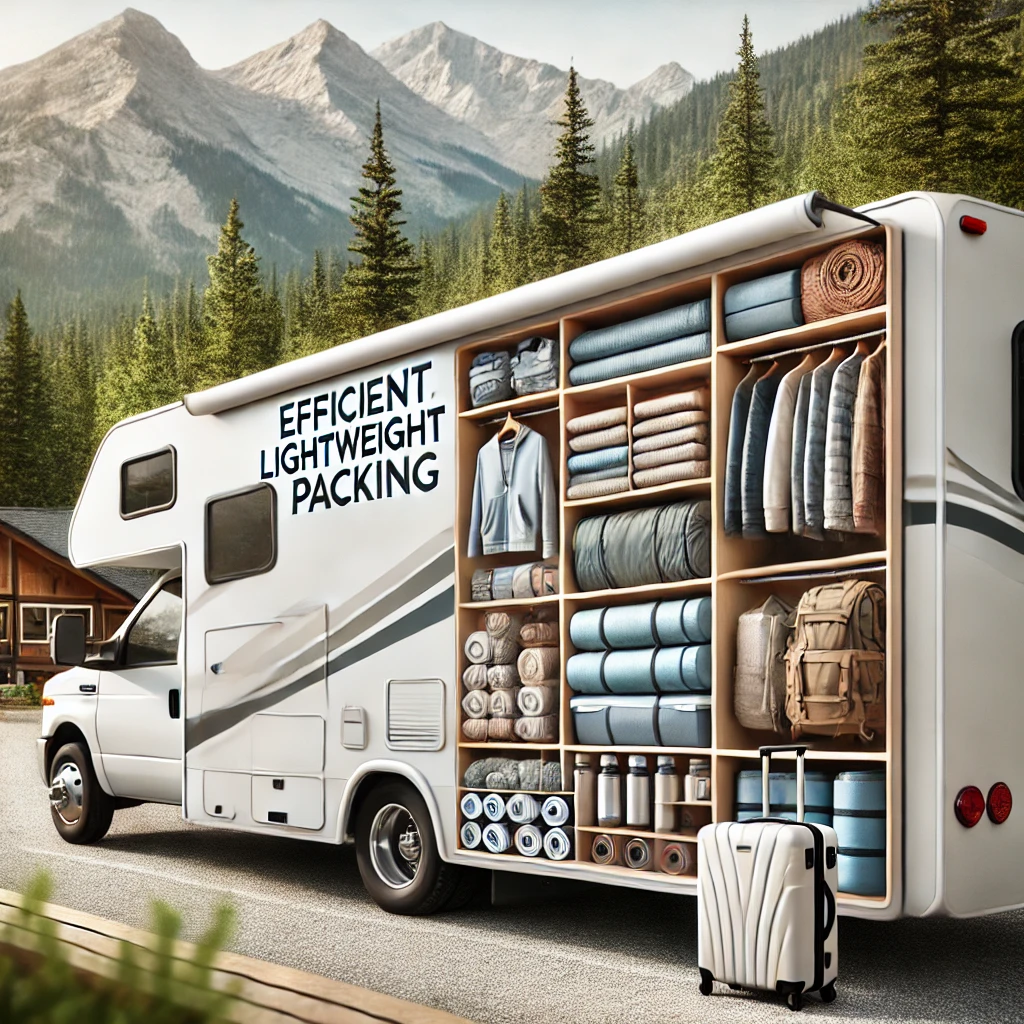
Packing for an RV trip can be exciting—bringing along all the essentials (and sometimes non-essentials) to make your adventure comfortable. But did you know that
overpacking can cost you more at the pump?
The more weight your RV carries, the harder the engine has to work,
burning more fuel and reducing your miles per gallon (MPG). Whether you’re driving a
motorhome, towing a trailer, or even just loading up a camper van,
smart, lightweight packing can make a
huge difference in fuel efficiency and save you money.
Let’s explore
why packing light matters, how to reduce weight, and tips for making your RV more fuel-efficient!
Why Weight Affects Your RV's Fuel Efficiency
RVs are already
heavy vehicles—loaded with furniture, appliances, and storage. When you
add too much extra weight, your engine must work harder, leading to:
✔
Increased fuel consumption – Heavier loads require
more power, more fuel, and more money spent.
✔
Reduced performance – Slower acceleration, harder braking, and increased engine wear.
✔
More strain on tires and brakes – Excess weight puts more pressure on
tires, axles, and brakes, increasing the risk of breakdowns.
💡
Fact: Studies show that
every extra 100 pounds in a vehicle can reduce fuel efficiency by up to
2%.
Now imagine carrying an extra 500+ pounds in your RV—that’s a big difference in fuel costs!
How to Reduce Weight and Save Fuel
1. Ditch the “Just in Case” Packing Mentality
It’s easy to pack
extra items you might need, but
most of the time, you don’t!
✔
Leave behind unnecessary tools, equipment, and duplicate items.
✔
Pack multi-purpose gear (ex: a cast-iron skillet instead of multiple pots).
✔
Rent gear at your destination instead of hauling it (ex: kayaks, bikes, or fishing gear).
💡
Pro Tip: If you haven’t used it in the last
three trips, leave it at home!
2. Lighten Up Your Water Tanks
Water adds
a lot of weight to your RV. A full
freshwater tank (40-100 gallons) can add
320-800 lbs. to your vehicle!
✔
Travel with only 1/3 of your freshwater tank full—fill up at the campground.
✔
Dump gray and black tanks before hitting the road to remove excess weight.
💡
Pro Tip: Only carry enough fresh water for the drive—don't haul a full tank unless you're boondocking.
3. Cut Down on Heavy Kitchen Items
Kitchen gear is
one of the heaviest packing categories in an RV.
✔
Use lightweight, stackable dishware instead of heavy ceramic or glass.
✔
Swap bulky appliances (like blenders and air fryers) for
multi-use cooking tools.
✔
Buy dry food supplies at your destination instead of overloading your pantry.
💡
Pro Tip: Silicone and collapsible kitchenware save both weight and storage space!
4. Be Smart About Clothing & Gear
✔
Choose lightweight, quick-dry clothing instead of heavy denim and bulky jackets.
✔
Limit shoes to
two pairs per person (ex: hiking boots & sandals).
✔
Use compression bags for clothes to save space and reduce bulk.
💡
Pro Tip: If you have
laundry access on your trip, pack
half the clothes you think you need!
5. Upgrade to Lightweight Camping Gear
✔
Use collapsible camping chairs & tables instead of full-sized furniture.
✔
Opt for lightweight aluminum or carbon fiber gear instead of steel.
✔
Ditch the giant cooler if you have an RV fridge—it just adds unnecessary weight.
💡
Pro Tip: Many
modern camping brands now offer
ultra-light versions of gear—invest in
lighter materials when upgrading equipment.
6. Reduce Unnecessary Tools & Equipment
It’s tempting to bring
a full toolkit, multiple hoses, and extra parts, but you don’t need everything.
✔
Carry only essential tools—a
multi-tool, basic wrench set, and duct tape will solve most problems.
✔
Use a compact air compressor instead of a full-size one.
✔
Ditch unnecessary add-ons like extra extension cords or duplicate leveling blocks.
💡
Pro Tip: If you don’t use it regularly, it doesn’t need to be in the RV!
How Much Fuel Can You Save?
Reducing weight
by 500 pounds can improve fuel efficiency by
3-5%. Over the course of a long road trip, that could mean:
🚐
Saving 1-2 gallons per fill-up
🚐
Extending your driving range by 20-30 miles per tank
🚐
Spending less money at the pump over the long haul
💡
Pro Tip: The
lighter your RV, the easier it is on your engine, tires, and transmission, reducing maintenance costs over time!
Final Thoughts: Pack Lighter, Travel Smarter
Packing light isn’t just about
saving space—it’s about
saving fuel, money, and wear on your RV. By making a few simple changes to
how you pack, you can enjoy:
✔
Better gas mileage and fewer stops at the pump.
✔
A smoother ride with less strain on your RV.
✔
Easier travel & unpacking with fewer unnecessary items.
💡 **Next time you hit the road, challenge yourself to
pack 20% less—your
wallet and RV will thank you!