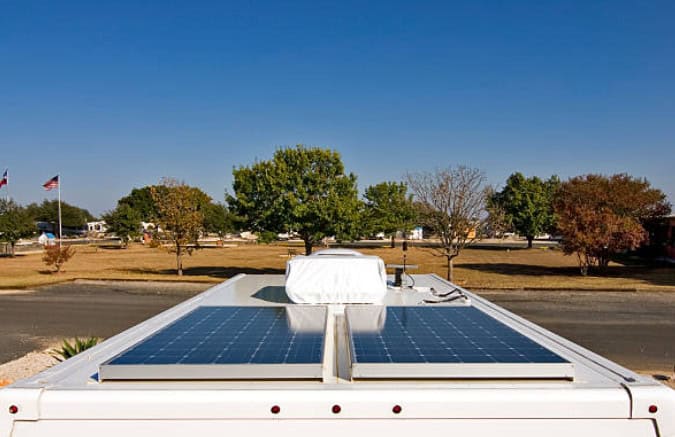
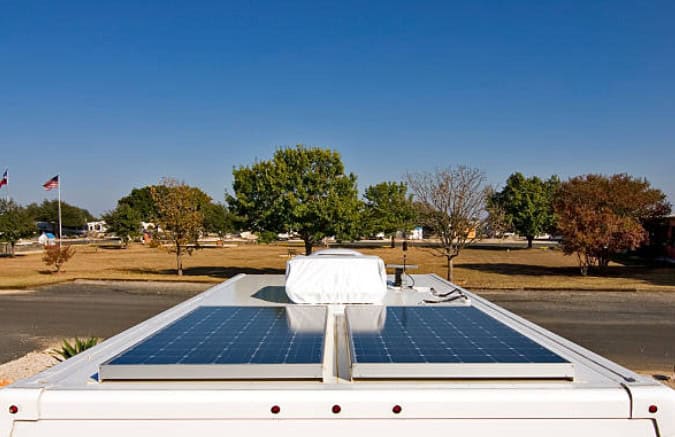
Solar power and RVing go together like campfires and marshmallows. There’s nothing quite like knowing your rig is powered by the sun—quietly, cleanly, and without being plugged in. But for all its benefits, solar setups come with a learning curve—and a few common traps that many RVers fall into (especially in the beginning).
If you're thinking about going solar—or already have—here are the most frequent mistakes to avoid, and how to get the most from your off-grid energy system.
☀️ 1. Assuming One Panel Is Enough
One 100-watt solar panel might sound like a great start. But unless you’re only charging your phone and running a light or two, it won’t cut it.
Why it’s a problem:
-
You’ll constantly run out of power
-
Batteries won’t charge fully, especially in cloudy weather
-
You’ll end up relying on your generator anyway
Better plan:
Calculate your daily energy usage, then size your solar accordingly. Many RVers find that 400–800 watts is the sweet spot for moderate use.
🔋 2. Not Upgrading the Batteries
Solar is only half the system. If you’re storing all that sunlight in cheap, worn-out, or undersized batteries, you’re still going to run out of juice.
Common issues:
-
Lead-acid batteries that only discharge to 50%
-
Small battery banks that can’t handle overnight needs
-
No battery monitor to track real usage
Pro tip:
Consider switching to lithium batteries. They charge faster, weigh less, and let you use more of your stored power.
⚡ 3. Skipping the Inverter (or Getting the Wrong One)
A solar setup without an inverter? You’re limited to 12V appliances only.
A solar setup with the wrong inverter? You might trip breakers or kill your batteries fast.
Why it matters:
-
You need an inverter to run 120V items like coffee makers, laptops, and microwaves
-
A pure sine wave inverter protects sensitive electronics
-
Oversized inverters waste energy when idle
Get one that fits your needs, not just the biggest one on sale.
🌤️ 4. Not Accounting for Shade & Orientation
Panels don’t produce much power in the shade. And if they’re not angled right? You’re leaving energy on the table.
Mistake:
-
Parking under trees and assuming you’ll still charge
-
Mounting fixed panels flat and never adjusting them
Solution:
Use a portable solar panel suitcase or tilt mounts to face the sun. Even a 15–20% boost in sunlight can make a huge difference.
📉 5. Neglecting the Charge Controller
Your charge controller manages how power flows from your panels to your batteries. Get the wrong one, and you could be wasting energy—or damaging your system.
What to look for:
-
MPPT controllers are more efficient than PWM, especially in variable light
-
Make sure it’s rated for the amps your panels produce
-
Keep it clean, cool, and away from water
📲 6. Not Monitoring Your System
If you’re guessing at battery levels, solar input, or usage—chances are, you’re guessing wrong.
Tools to consider:
-
Battery monitors (like the Victron BMV or a shunt-based display)
-
Charge controller apps
-
Real-time voltage readings
Knowledge = power (literally, in this case).
🌧️ 7. Forgetting About Weather and Seasons
Solar works best when the sun is high and strong. In winter, cloudy or short days can drastically cut your output.
Be ready for:
-
Backup plans in cloudy conditions (generator, alternator charging, shore power)
-
Adjusting travel routes based on sunlight
-
Parking with your panels pointed south in colder months
🧭 Final Thoughts
A solar system can transform the way you RV—but only if it’s built and used the right way. Avoiding these common mistakes means you’ll camp longer, quieter, and with way fewer energy headaches.
Take your time, build smart, and let the sun do the work.