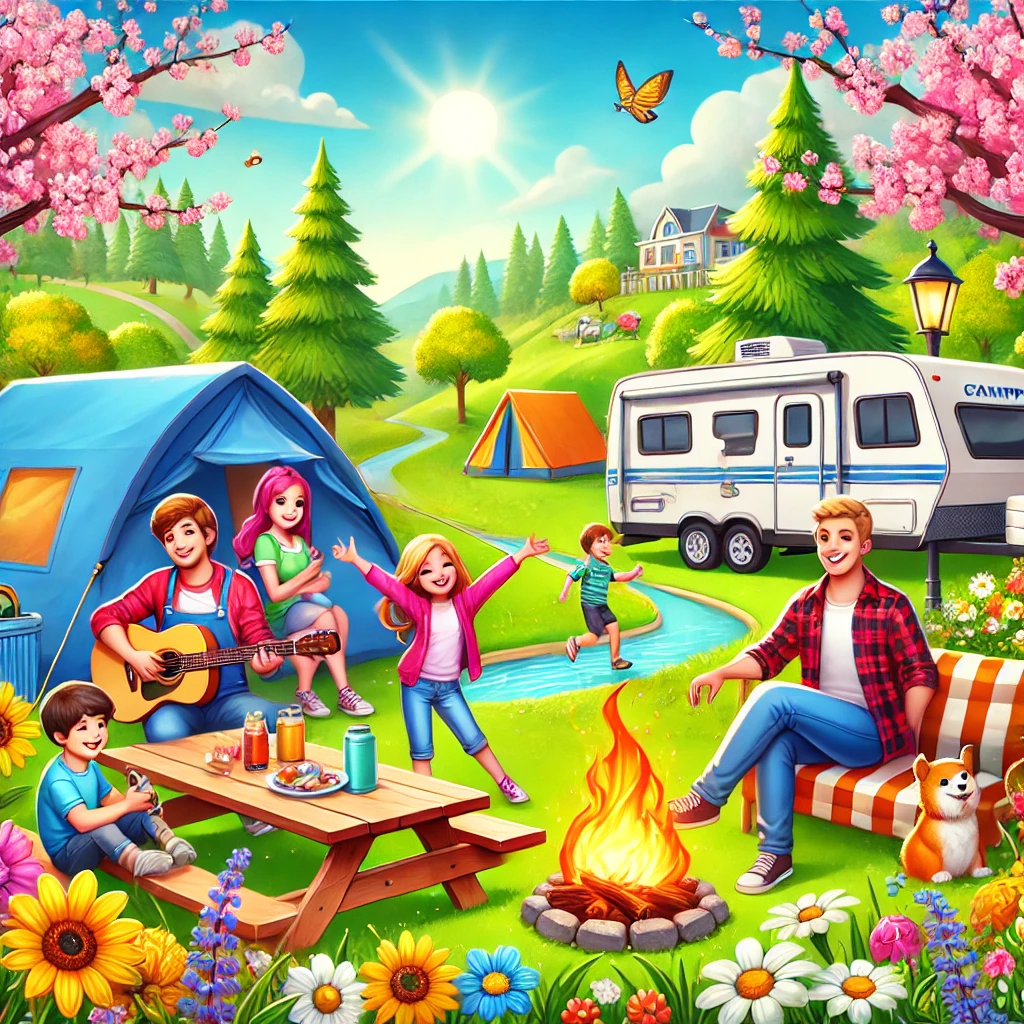
Spring break is the
perfect time to take a break from routine and enjoy the
great outdoors with your family. The weather is warming up, the days are getting longer, and nature is coming back to life. Whether you're heading to a
national park, a beachside campground, or a cozy forest retreat, planning ahead will make your trip fun, stress-free, and memorable!
Here’s a
step-by-step guide to planning the ultimate
family-friendly spring break camping adventure.
1. Pick the Perfect Destination 📍🏕️
The first step in planning a successful spring break camping trip is
choosing the right location. Consider the following when picking your campsite:
✔
Kid-Friendly Amenities – Look for places with
playgrounds, hiking trails, lakes, or beaches.
✔
Weather Conditions – Check the
seasonal forecast for your chosen location.
✔
Campsite Availability – Spring break is a
busy season, so reserve early!
✔
Activity Options – Choose a location that offers
swimming, fishing, biking, or wildlife spotting.
💡
Top Family-Friendly Camping Destinations:
- Great Smoky Mountains National Park (TN/NC) – Beautiful springtime scenery with waterfalls and wildlife.
- Yosemite National Park (CA) – Stunning views, hiking, and family-friendly trails.
- Disney’s Fort Wilderness Resort (FL) – A fun mix of camping and Disney magic!
- Gulf Shores State Park (AL) – A perfect mix of beaches, nature, and outdoor fun.
- Lake Tahoe (CA/NV) – Scenic camping with options for boating and hiking.
💡
Pro Tip: If you're camping in a popular destination,
book your campsite months in advance to secure your spot!
2. Choose the Right Type of Camping ⛺🚐
Your
camping style will impact how you pack and plan:
✔
Tent Camping – The classic choice! Requires
more gear but offers an immersive outdoor experience.
✔
RV Camping – More comfortable with
beds, a kitchen, and a bathroom.
✔
Cabin Camping – A great mix of comfort and adventure, ideal for families with young kids.
✔
Glamping (Luxury Camping) – Great for families who love nature but want modern amenities like
hot showers, comfy beds, and electricity.
💡
Pro Tip: If camping with small children,
RV or cabin camping might be the best option for extra comfort.
3. Pack Smart – The Essential Camping Checklist 🎒
Packing for a family camping trip can feel overwhelming, but staying
organized makes it easier.
Camping Gear:
✔ Tent (if tent camping) & ground tarp
✔ Sleeping bags & pillows
✔ Camping chairs & folding table
✔ Flashlights, lanterns, and extra batteries
✔ Cooking supplies (stove, fuel, pots, utensils)
Clothing & Personal Items:
✔ Weather-appropriate clothes (layers for chilly nights!)
✔ Hiking boots or comfortable walking shoes
✔ Rain jackets & hats
✔ Swimwear (if near water)
✔ Sunglasses & sunscreen
Food & Cooking:
✔ Pre-prepped meals & easy snacks (granola bars, trail mix, sandwiches)
✔ Cooler with ice packs
✔ Reusable water bottles & extra drinking water
✔ Cooking essentials (oil, spices, condiments)
✔ S’mores supplies for fun campfire treats!
Kid-Friendly Items:
✔ Favorite
toys, books, or stuffed animals
✔
Outdoor games (frisbees, balls, bubbles)
✔
Bug nets and binoculars for exploring
✔
Activity books or scavenger hunt checklists
💡
Pro Tip: Use
clear plastic bins to organize gear and make packing/unpacking easy!
4. Plan Fun Activities for Everyone 🎉
Spring break camping is all about
making memories! Keep kids entertained with these fun family activities:
Outdoor Adventures:
✔
Hiking & Nature Walks – Explore trails and look for wildlife.
✔
Fishing – Great for teaching kids patience and outdoor skills.
✔
Canoeing or Kayaking – Perfect if you're camping near a lake or river.
✔
Biking – Bring bikes for easy exploring.
✔
Campfire Storytelling – Share
funny stories, ghost tales, or family memories around the fire.
Kid-Friendly Activities:
✔
Scavenger Hunts – Create a
list of nature items for kids to find.
✔
Arts & Crafts – Bring
paints, coloring books, or nature-inspired crafts.
✔
Star Gazing – Lay out blankets and spot constellations at night.
✔
DIY Obstacle Course – Use sticks, rocks, and logs to create a fun challenge.
✔
Cooking Together – Let kids help with easy
campfire recipes like hot dogs or s’mores.
💡
Pro Tip: If your campground has
organized activities or ranger programs, sign up for extra fun!
5. Stay Safe & Be Prepared 🏕️🛑
Camping is exciting, but
safety comes first. Here’s how to stay prepared:
✔
First Aid Kit – Pack
bandages, bug spray, antihistamines, and pain relievers.
✔
Emergency Contacts – Know the nearest
hospital, park ranger station, or emergency number.
✔
Weather Awareness –
Check the forecast and be prepared for rain or cold nights.
✔
Fire Safety – Teach kids how to
respect campfires and always put fires out completely.
✔
Wildlife Safety – Store food properly and
never leave snacks out overnight.
💡
Pro Tip: Teach kids the
“stay in sight” rule—they should always be able to see an adult!
6. Capture the Memories 📸
Spring break camping trips create
lifelong memories, so don’t forget to
document the adventure!
✔ Take
family photos at scenic spots.
✔ Record a
video journal of your trip.
✔ Keep a
camping scrapbook with ticket stubs, pressed flowers, or written memories.
✔ Encourage kids to
draw or write about their favorite part of the trip.
💡
Pro Tip: Give kids a
disposable camera to take their own fun photos!
Final Thoughts: Make This Spring Break One to Remember!
Camping is a
fantastic way to bond as a family, enjoy nature, and escape from screens for a few days. With
a little planning and preparation, you can have a stress-free and unforgettable spring break adventure.
✔ Pick the perfect
family-friendly campsite.
✔ Pack
smart with all the essentials.
✔ Plan
fun activities to keep kids engaged.
✔ Stay
safe and prepared for unexpected situations.
✔ Capture the
memories for years to come!
🌿🚐
Ready for the best spring break ever? Pack up, hit the road, and enjoy a week of outdoor fun with your family!