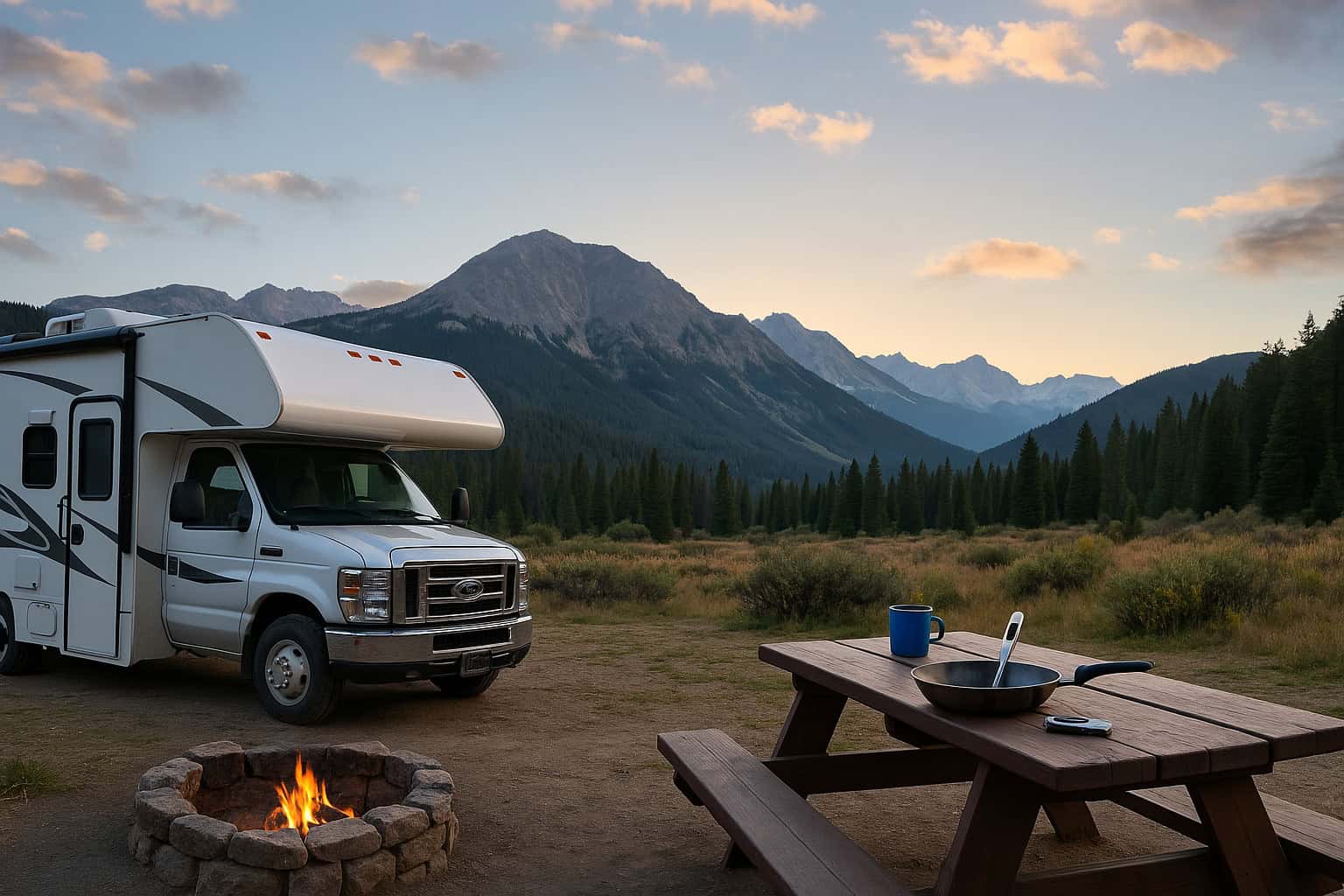
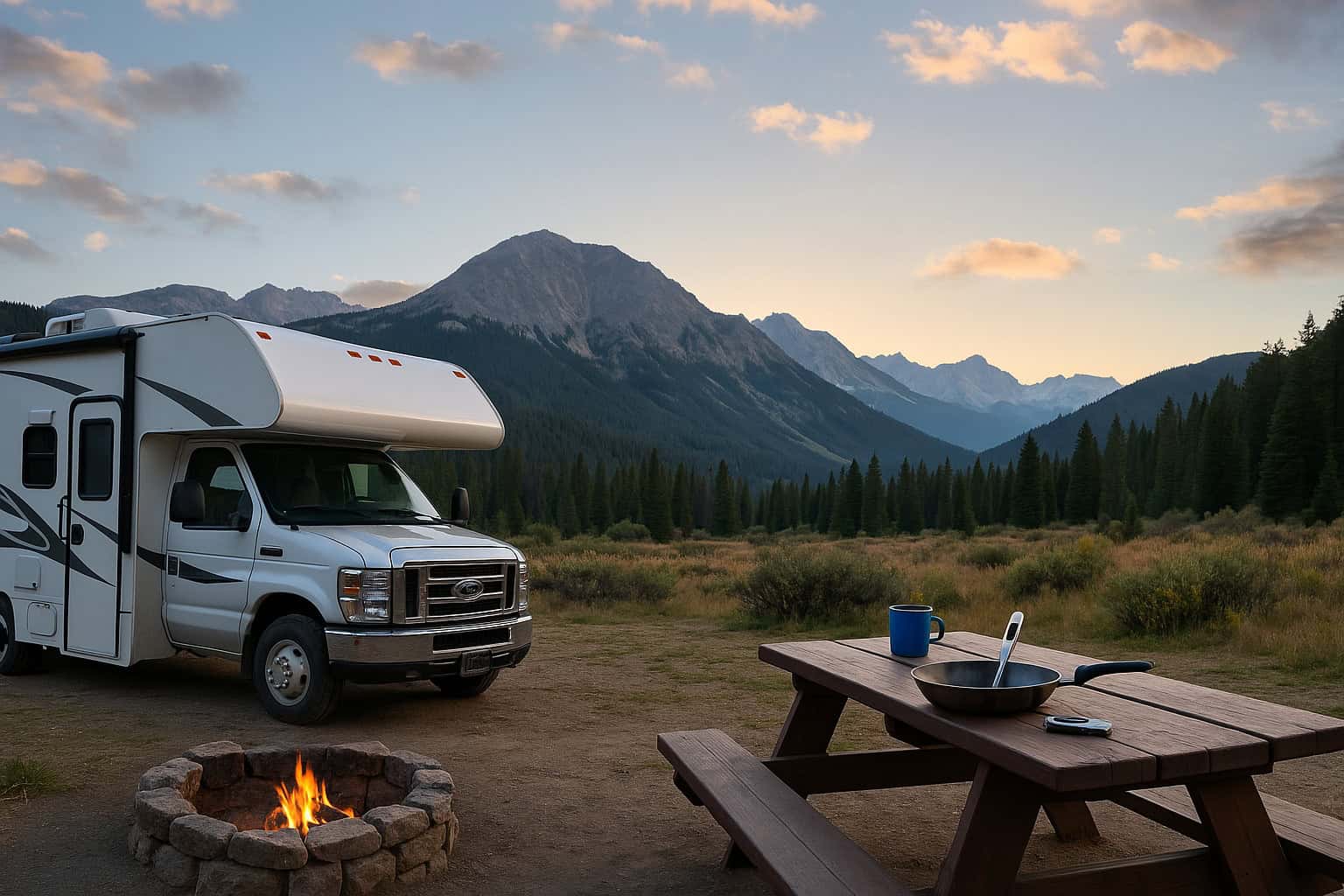
RV trips can take you from sea level beaches to high mountain tops in just a few days. But did you know that changing elevation can affect how you sleep, how you feel, and even how your food cooks?
Most campers don’t think about it—until something feels… off.
Let’s look at how elevation changes affect your RV adventures—and how to stay comfy and safe no matter how high you go!
🏔️ What Is Elevation?
Elevation means how high you are above sea level.
-
Low elevation = beaches, deserts, flat plains
-
High elevation = mountains, cliffs, high plateaus
Your body—and even your cooking gear—can notice the difference!
💤 How Elevation Affects Sleep
At high elevations (above 5,000–6,000 feet), you might notice:
-
Trouble falling asleep
-
Waking up more often
-
Weird or vivid dreams
-
Shortness of breath at night
-
Feeling tired even after sleep
This happens because there’s less oxygen in the air up high. Your body works harder to breathe, even while resting.
🧠 Tips for Better Sleep at High Elevations
-
Stay hydrated – Drink lots of water to help your body adjust
-
Give yourself 1–2 days to acclimate before doing too much
-
Use extra pillows to raise your head and help breathing
-
Don’t drink alcohol before bed – it can make sleep harder
-
Try short naps during the day if you feel sluggish
If you still feel bad after a few days, try moving to a lower elevation.
🍲 Cooking at High Elevation
Yup—it’s not just you that feels different. Your cooking does too!
At higher elevations:
-
Water boils at a lower temperature (less than 212°F)
-
That means food may take longer to cook
-
Baking may not rise the same
-
Pressure cookers and slow cookers behave differently
🍳 Cooking Tips at High Elevations
-
Boil pasta longer than usual
-
Rice and beans may need more time and water
-
Use a thermometer when baking meat or bread
-
Don’t expect baking mixes to turn out exactly the same
-
Pressure cookers work better than regular pots for things like chili or stew
Even making coffee or tea can taste different at high altitudes!
😵 Feeling Weird? It Might Be the Elevation
Other common symptoms of high elevation include:
-
Headaches
-
Dizziness
-
Nausea
-
Fatigue
-
Dry mouth or dry eyes
These are signs of altitude sickness—which can happen to anyone, even if you're healthy.
🛑 What to Do If You Feel Bad
-
Drink water
-
Rest
-
Avoid alcohol or heavy exercise
-
Lower your elevation if things don’t improve
-
If symptoms get worse (chest pain, confusion, or bad headaches), seek medical help
🧭 Where This Matters Most
If you're RVing in places like:
-
Colorado Rockies
-
Sierra Nevada (CA)
-
Northern Arizona
-
Wyoming or Montana parks
-
Utah’s high desert areas
...you might go above 5,000 or even 8,000 feet! Be aware of the changes, and listen to your body.
✅ Final Thoughts
Elevation isn’t just about great views—it can quietly affect how you sleep, cook, and feel. But now you know the signs, and you’re ready to handle it like a pro.
So next time you head for the hills, bring your water bottle, adjust your recipes, and take it easy the first night or two.
Breathe deep, take your time, and enjoy the view!