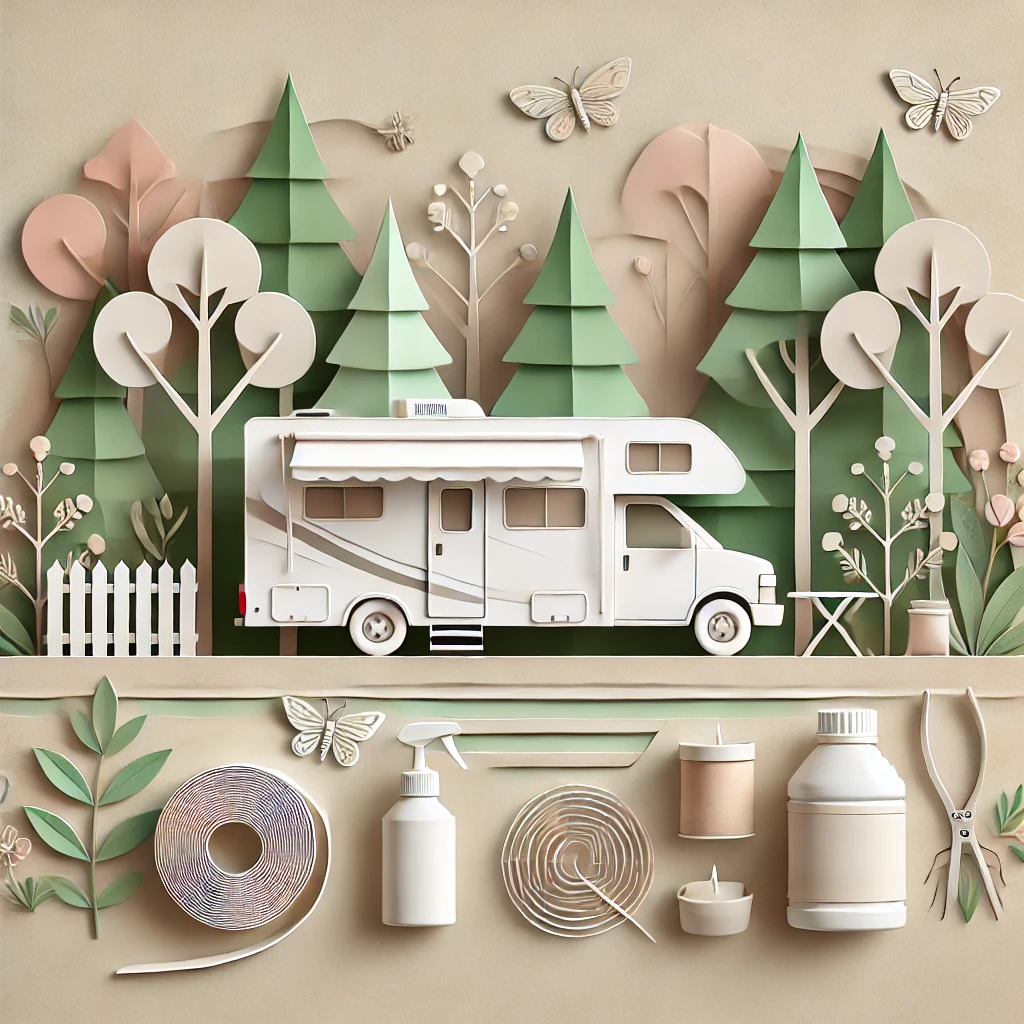
Few things can ruin an RV adventure faster than finding out you’ve got unexpected stowaways. Whether it’s ants invading your snack stash, mice chewing through your wiring, or wasps building a nest near your door, pests can turn your RV into their cozy home if you’re not careful.
But don’t panic! With some preventative measures and quick action, you can keep your RV pest-free and focus on the adventures that really matter. Let’s dive into how you can prevent and manage these unwelcome guests.
1. Keep It Clean: A Pest’s Worst Nightmare
The easiest way to keep pests out of your RV is to eliminate what attracts them in the first place. This means keeping things clean and tidy:
- Store food in airtight containers: No crumbs, no pests. Plastic or glass containers work best.
- Wipe down surfaces: Clean counters and tables after every meal to remove food particles.
- Vacuum regularly: Don’t let crumbs collect in hard-to-reach corners or under furniture.
- Take out the trash daily: Avoid letting garbage pile up inside your RV.
Pro Tip: Don’t forget about outdoor spaces! Keep your campsite clean to discourage pests from hanging around.
2. Seal the Deal: Block Their Entry Points
Pests are crafty and can squeeze through the smallest openings. Inspect your RV for potential entry points and seal them up:
- Check windows and doors: Repair any torn screens and make sure seals are intact.
- Inspect underneath your RV: Look for gaps around pipes, wires, and vents. Use steel wool or spray foam to block these areas.
- Close slide-outs properly: Gaps around slide-outs can be an easy entry point for pests.
Pro Tip: Install weather stripping or rubber seals on doors and compartments for extra protection.
3. Natural Deterrents: Pest Prevention the Safe Way
You don’t have to rely on harsh chemicals to keep pests at bay. Try these natural deterrents:
- Peppermint oil: A few drops on cotton balls can repel mice and spiders.
- Diatomaceous earth: Sprinkle this powder around your RV’s perimeter to deter ants and other crawling bugs.
- Bay leaves: Place these in your pantry to keep insects like weevils away.
Pro Tip: Change natural deterrents regularly to maintain their effectiveness.
4. Create a No-Fly Zone: Dealing with Flying Pests
Flying pests like mosquitoes, wasps, and flies are common nuisances at campsites. Here’s how to manage them:
- Use citronella candles: These are great for keeping mosquitoes at bay while enjoying the outdoors.
- Hang fly traps: Sticky traps or UV light traps can catch flies and other bugs.
- Cover vents and windows: Install fine mesh screens to keep small flying pests out.
Pro Tip: Empty standing water around your campsite to prevent mosquitoes from breeding.
5. Manage Moisture: Pests Love Humidity
Moisture can attract pests like cockroaches and silverfish. To prevent this:
- Fix leaks promptly: Inspect your plumbing and roof for any signs of leaks.
- Ventilate properly: Use your RV’s exhaust fans to reduce humidity after cooking or showering.
- Use a dehumidifier: This is especially helpful in damp or humid climates.
Pro Tip: Check under sinks and around water tanks regularly for hidden moisture.
6. Check Your Gear: Don’t Bring Pests Along
Pests can hitch a ride into your RV on camping gear, firewood, or even your shoes. Here’s how to avoid that:
- Inspect items before bringing them inside: Shake out tents, chairs, and bags.
- Store firewood away from your RV: Keep it at least 20 feet away to avoid attracting termites and ants.
- Wipe down outdoor gear: Clean items like coolers and backpacks before storing them.
7. Handle Infestations Quickly
Sometimes, despite your best efforts, pests still find their way in. Here’s how to handle an infestation:
- Mice or rats: Set traps or use humane catch-and-release methods. Avoid poisons, as they can lead to dead rodents in hard-to-reach places.
- Ants: Use bait traps to target the colony, and clean the area thoroughly to remove their scent trail.
- Cockroaches: Place roach traps in dark corners and under sinks. Boric acid is a great non-toxic option.
- Bed bugs: Wash all bedding in hot water and vacuum thoroughly. Consider hiring a professional if the infestation is severe.
Pro Tip: Act quickly at the first sign of pests to prevent the problem from escalating.
8. Protect Your RV During Storage
When your RV isn’t in use, it’s still vulnerable to pests. Take these precautions when storing it:
- Remove all food: Don’t leave even sealed packages behind.
- Cover openings: Plug vents and pipes with breathable covers.
- Use rodent repellents: Place traps or deterrents in the storage area.
Pro Tip: Check on your RV periodically during storage to ensure no pests have moved in.
9. Call in the Pros
If an infestation gets out of hand, don’t hesitate to call a professional pest control service. They have the tools and expertise to handle even the toughest pest problems.
10. Celebrate Your Pest-Free RV
Once your RV is pest-free, you can breathe a sigh of relief and get back to what really matters—enjoying the open road. With regular maintenance and a few preventative measures, you can keep your RV clean, safe, and free of unwelcome guests.
Happy camping, and may your RV adventures be pest-free!