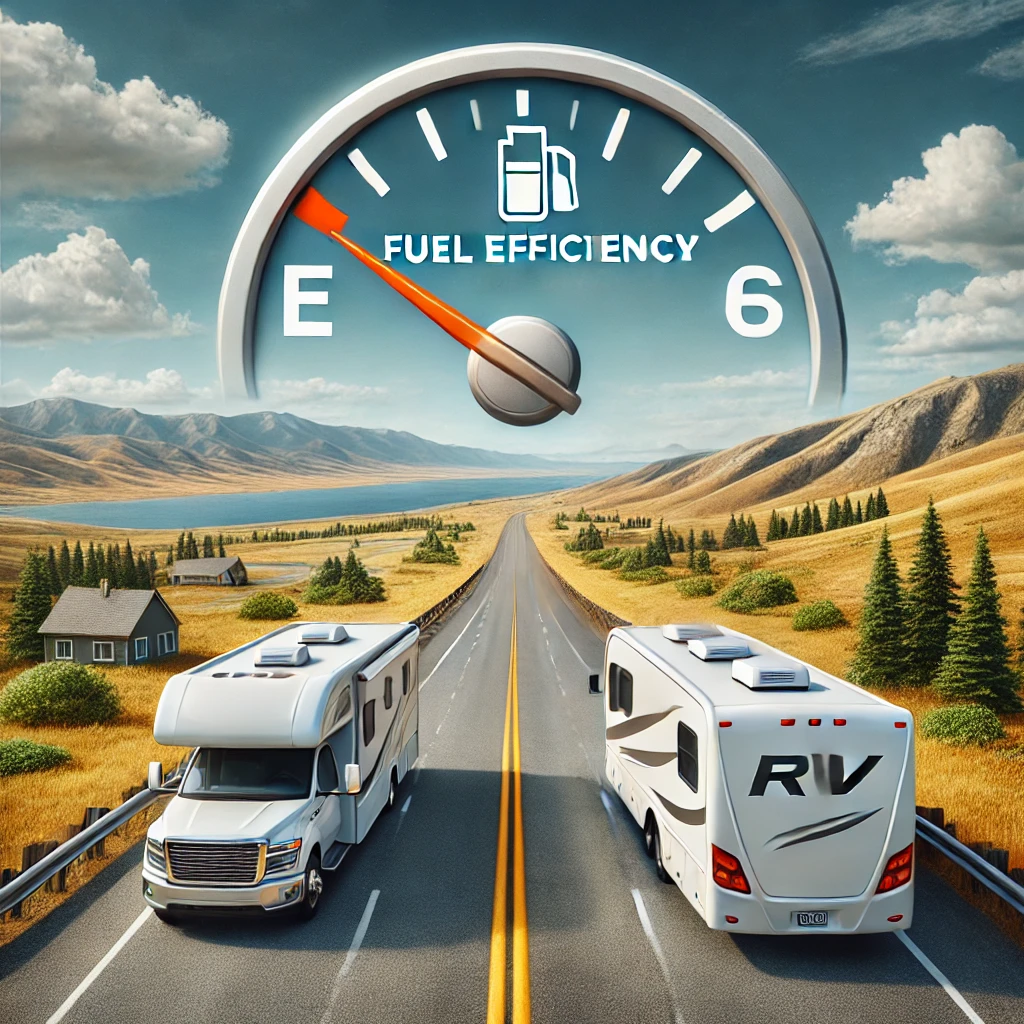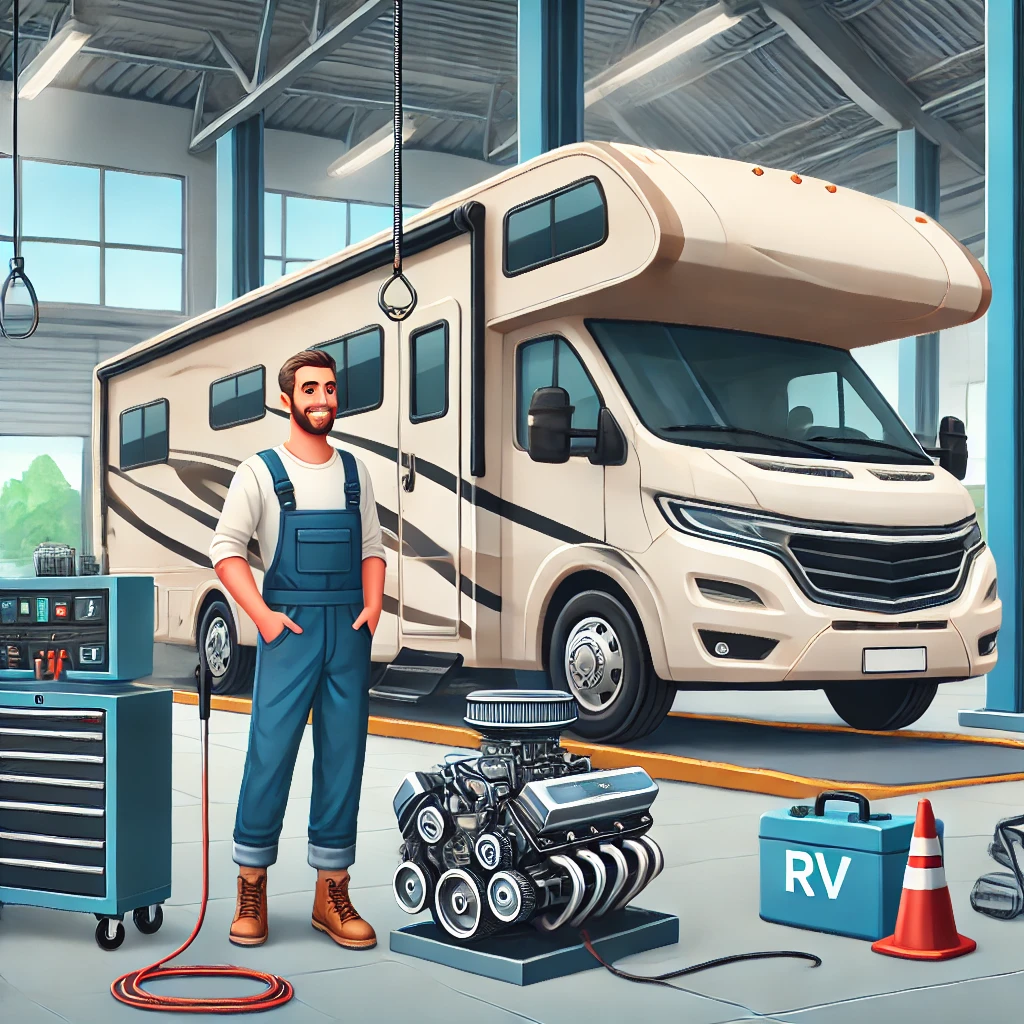
Your RV is more than just a vehicle—it’s your
home on wheels, taking you to unforgettable destinations. But just like a house needs upkeep and a car needs maintenance, your RV
requires regular engine tune-ups to keep running smoothly.
Skipping routine maintenance might not seem like a big deal—until you’re stuck on the side of the road with an overheated engine or burning through fuel faster than expected.
Regular engine tune-ups not only improve
performance and reliability but also
boost fuel efficiency, saving you money in the long run.
Let’s dive into
why tune-ups matter, how they improve efficiency, and when to schedule them for optimal RV performance.
Why Regular Engine Tune-Ups Matter for Your RV
An RV engine is
larger and more complex than a regular car engine. It works harder to
haul more weight and endure
long-distance travel, meaning it
needs more frequent maintenance than a daily driver.
Here’s what a proper tune-up does for your RV:
✔
Prevents breakdowns – Catch small issues before they turn into expensive repairs.
✔
Improves fuel economy – A well-maintained engine uses
less gas and runs more efficiently.
✔
Increases lifespan – Keeps your RV engine running strong for years to come.
✔
Enhances performance – Better power, smoother rides, and fewer mechanical issues.
✔
Ensures safety – Reduces the risk of engine failure while driving long distances.
💡
Pro Tip: Preventative maintenance is
always cheaper than emergency repairs!
How Tune-Ups Improve RV Fuel Efficiency
RVs are
not known for great gas mileage, but regular tune-ups can help you get
every extra mile per gallon possible. Here’s how:
1. Fresh Spark Plugs Improve Combustion
Old spark plugs
misfire, causing the engine to burn fuel inefficiently. Replacing them ensures:
✔ Better fuel combustion
✔ Smoother acceleration
✔ Reduced engine strain
🔧
When to Replace: Every
30,000–50,000 miles (or as recommended in your RV manual).
2. Clean Air Filters Boost Airflow
Your RV’s engine needs
clean air to burn fuel efficiently. A
clogged air filter makes the engine work harder, reducing gas mileage.
✔ Replacing dirty filters
improves fuel efficiency by up to 10%.
✔ Increases horsepower and smoother performance.
🔧
When to Replace: Every
12,000–15,000 miles, or sooner if driving in dusty areas.
3. Fuel System Cleaning Optimizes Mileage
Over time, carbon deposits clog the fuel injectors, leading to
poor fuel economy and rough idling. A tune-up includes:
✔ Cleaning or replacing fuel injectors
✔ Checking fuel lines for leaks
✔ Ensuring proper fuel-to-air mixture
🔧
When to Clean Injectors: Every
30,000 miles or if you notice poor acceleration.
4. Proper Tire Pressure Reduces Drag
Even though tires aren’t part of the engine, they
greatly impact fuel efficiency.
✔ Underinflated tires increase
rolling resistance, making the engine work harder.
✔ Keeping tires at the correct PSI improves
fuel economy by up to 3%.
🔧
When to Check: Before every trip—use a
tire pressure gauge for accuracy.
5. Regular Oil Changes Reduce Friction
Oil is the
lifeblood of your engine. Old, dirty oil causes:
❌ Increased friction
❌ Overheating
❌ Lower fuel efficiency
✔ Fresh oil
reduces wear, keeps the engine cool, and
boosts gas mileage.
🔧
When to Change: Every
3,000–7,500 miles, depending on RV type and oil used.
6. Battery & Alternator Checks Keep the System Running
A weak battery or failing alternator can strain the engine, leading to:
❌ Hard starts
❌ Power loss
❌ Increased fuel usage
✔ A well-functioning
electrical system ensures smooth engine operation.
🔧
When to Check: Every
6 months, or before a long trip.
How Often Should You Schedule an RV Tune-Up?
🔧
Every 10,000–15,000 miles – Basic maintenance (oil, filters, tire pressure).
🔧
Every 30,000 miles – Full tune-up (spark plugs, fuel system, belts).
🔧
Annually – Inspection of all major systems before a long trip.
💡
Pro Tip: Keep a
maintenance log to track service dates, so you never miss a tune-up!
DIY vs. Professional Tune-Ups: What’s Best?
DIY Maintenance You Can Do
✔ Checking and inflating tires
✔ Replacing air filters
✔ Changing oil and fluids
✔ Checking battery levels
What a Mechanic Should Handle
✔ Spark plug replacements
✔ Fuel injector cleaning
✔ Transmission and brake inspections
✔ Engine diagnostics
💡
Pro Tip: Even if you handle basic maintenance,
a professional check-up once a year ensures nothing gets overlooked.
Final Thoughts: A Tune-Up Saves Money & Headaches
Regular engine tune-ups
keep your RV in top shape, helping you
drive farther, spend less on fuel, and avoid costly repairs. A well-maintained engine means:
✔
Better fuel efficiency
✔
Stronger performance
✔
Fewer unexpected breakdowns
✔
A longer-lasting RV
Before your next big adventure, make sure your
engine is road-trip ready!